
Zhejiang Eight Flavours
The most representative traditional herbs of Zhejiang, born of Zhejiang’s mountains and waters, carrying a thousand years of herbal fragrance, and showing the deep heritage and fine produce of Zhejiang’s daodi herbs.
The most representative traditional herbs of Zhejiang, born of Zhejiang’s mountains and waters, carrying a thousand years of herbal fragrance, and showing the deep heritage and fine produce of Zhejiang’s daodi herbs.
In Chinese medicine, origin matters. The same herb grown in different soils and climates develops different properties and texture; harvested and processed differently, it behaves differently again in a formula. As the old saying goes, a tangerine grown south of the Huai River is a tangerine; grown north of the Huai, it becomes a trifoliate orange. That is the point. When the materia medica classics of past dynasties recorded a herb, they usually began with where it came from and which origin was best, Origin is one important clue to understanding a herb’s quality. Climate, soil, cultivation and processing conditions in different places shape a herb’s commercial character. Daodi herbs took shape through long records in materia medica literature as well as local cultivation, processing and application traditions.
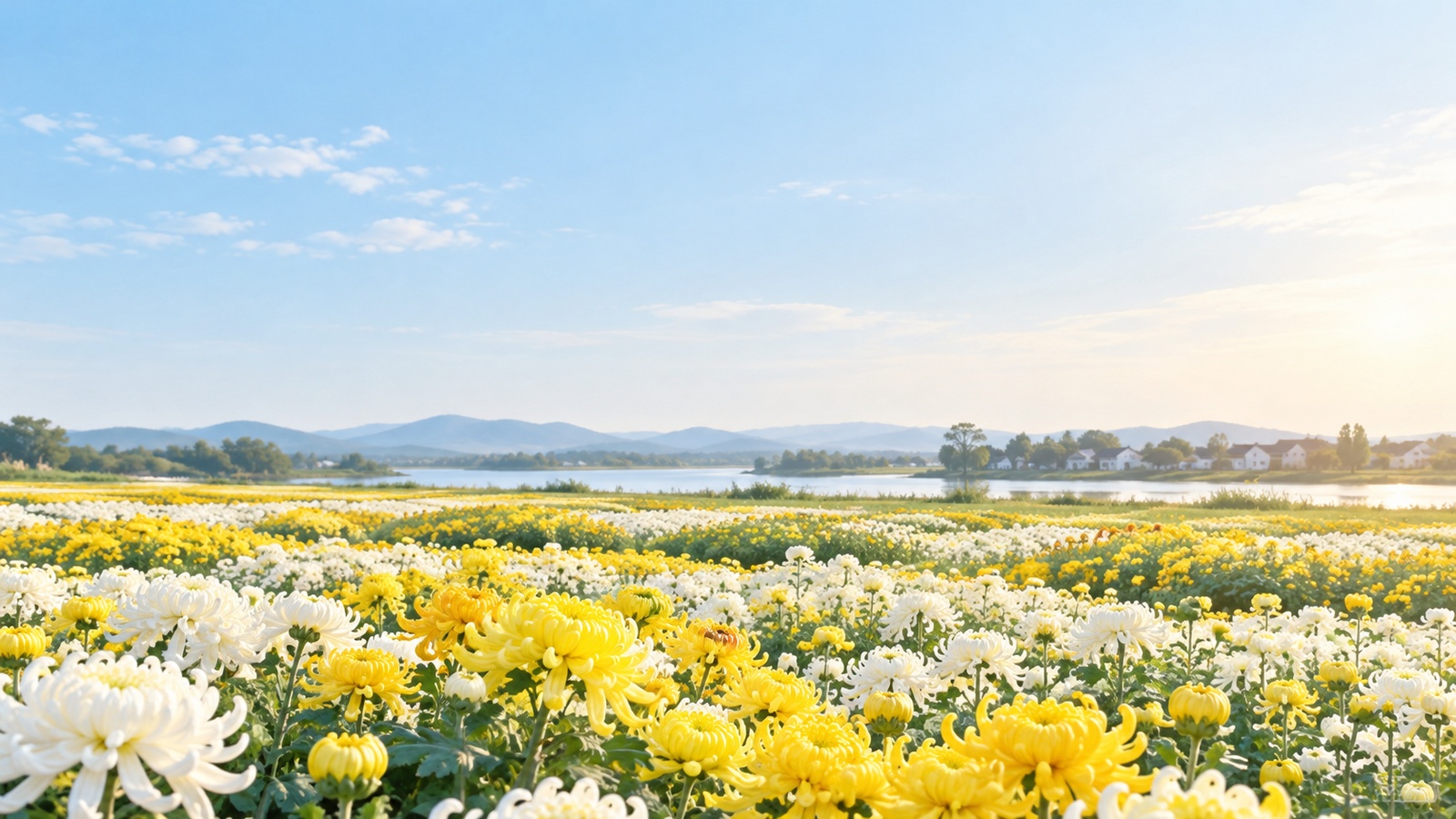
The Zhejiang Eight Flavours are the representative combination of Zhejiang daodi herbs, comprising Zhebeimu, Yanhusuo, Baizhu, Hangbaishao (Baishao), Xuanshen, Hangbaiju, Zhemaidong (Maidong) and Wenyujin. The herbs involved have records in materia medica literature across dynasties; as a combination representing Zhejiang’s daodi herbs, the name and variety system took shape through long practice. the Ming-dynasty Bencao Gangmu (Compendium of Materia Medica), quoting the Tujing Bencao, says Baizhu grows in Hang and Yue. Later, Hangbaiju was presented as tribute in ancient times and mentioned alongside Longjing tea, and the Zhejiang Eight Flavours were chosen by long-established pharmacies for their formulas, gaining renown at home and abroad. In 2018, on the basis of the traditional Zhejiang Eight Flavours, the range of varieties was further expanded, and a new Zhejiang Eight Flavours appeared.
The sixteen representative herbs of the old and new Zhejiang Eight Flavours below are presented with their commercial form, traditional functions and main Zhejiang origins.
Latin Name: Atractylodis Macrocephalae Rhizoma
Botanical Name: Atractylodes macrocephala Koidz.
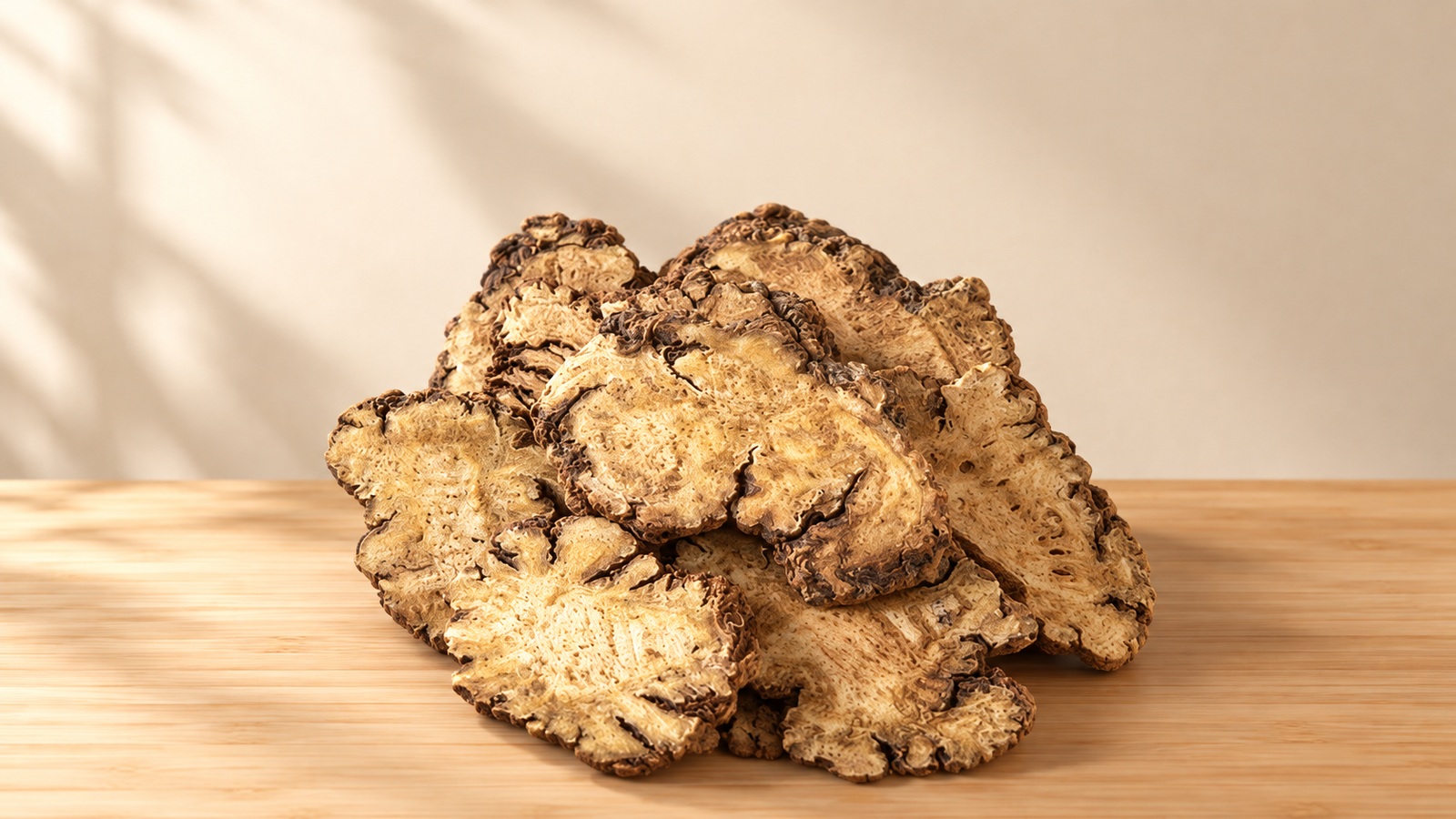
Form:A perennial herb with a thick rhizome in irregular nodular form, yellowish-white in cross-section, with a clear fragrance.
Traditional functions:Traditionally used to strengthen the spleen and boost qi, dry dampness and promote urination, stop sweating, and calm the fetus.
Zhejiang daodi origins:Yuqian, Pan’an, Dongyang, Xinchang, Tiantai, Shengzhou, and others.
Provenance:The Song-dynasty Tujing Bencao (Illustrated Classic of Materia Medica) records: “Baizhu today grows on the high hills of Hang, Yue, Shu and Xuan prefectures”; Ming and Qing materia medica praised Yuqian yuzhu as the finest.
Classic formulas:Sijunzi Tang (Four Gentlemen Decoction).
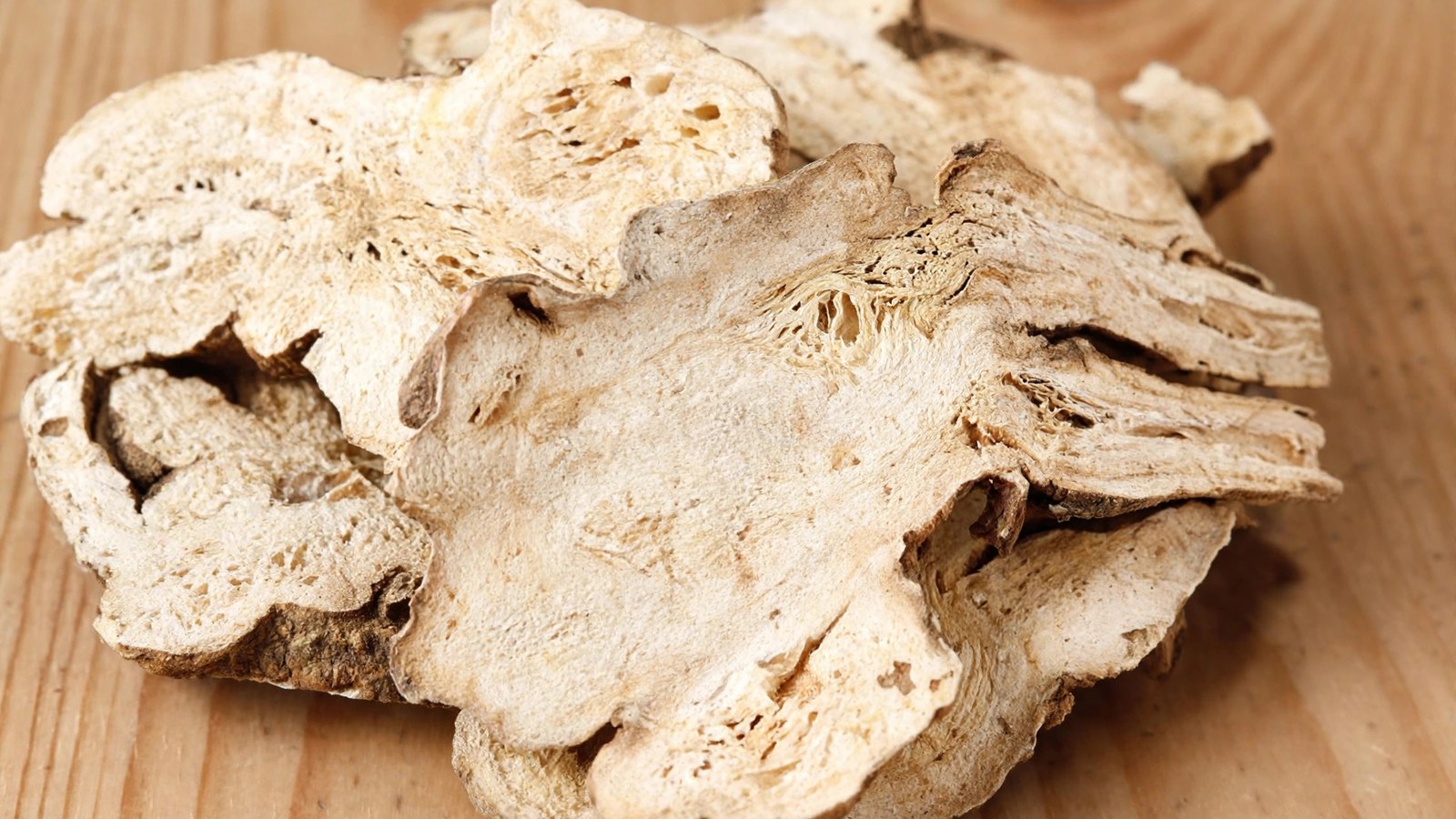
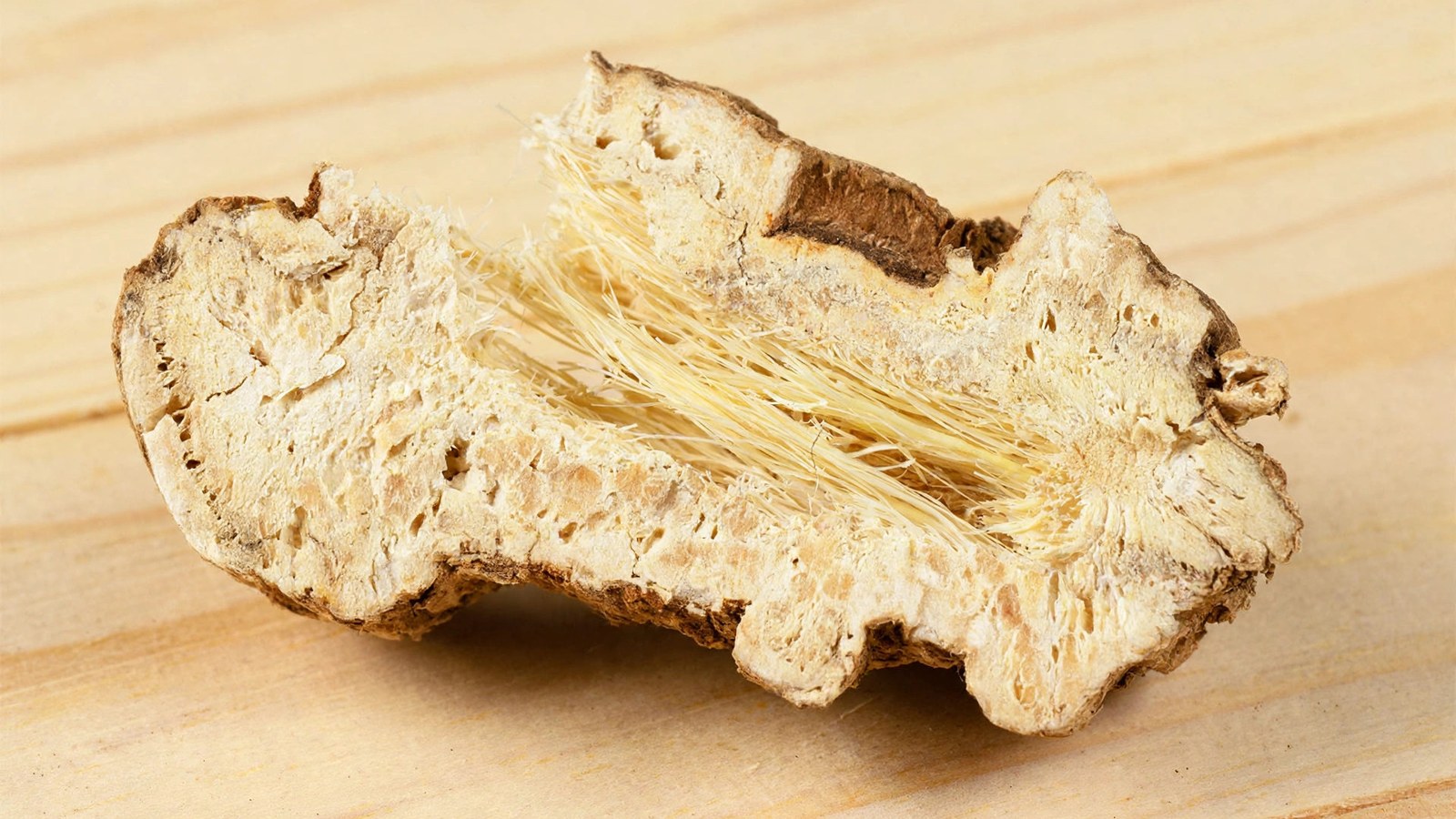
Latin Name: Paeoniae Radix Alba
Botanical Name: Paeonia lactiflora Pall.
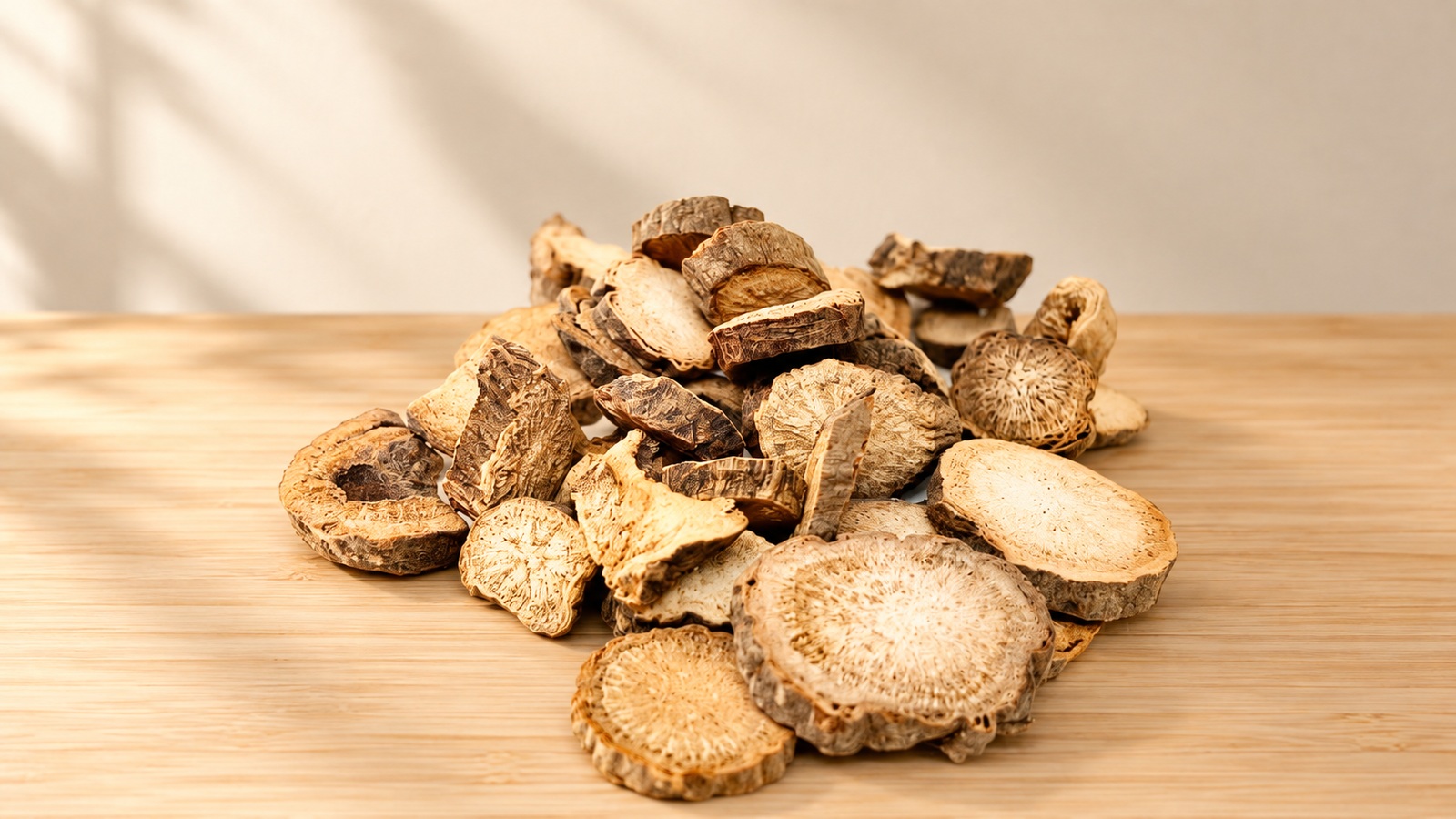
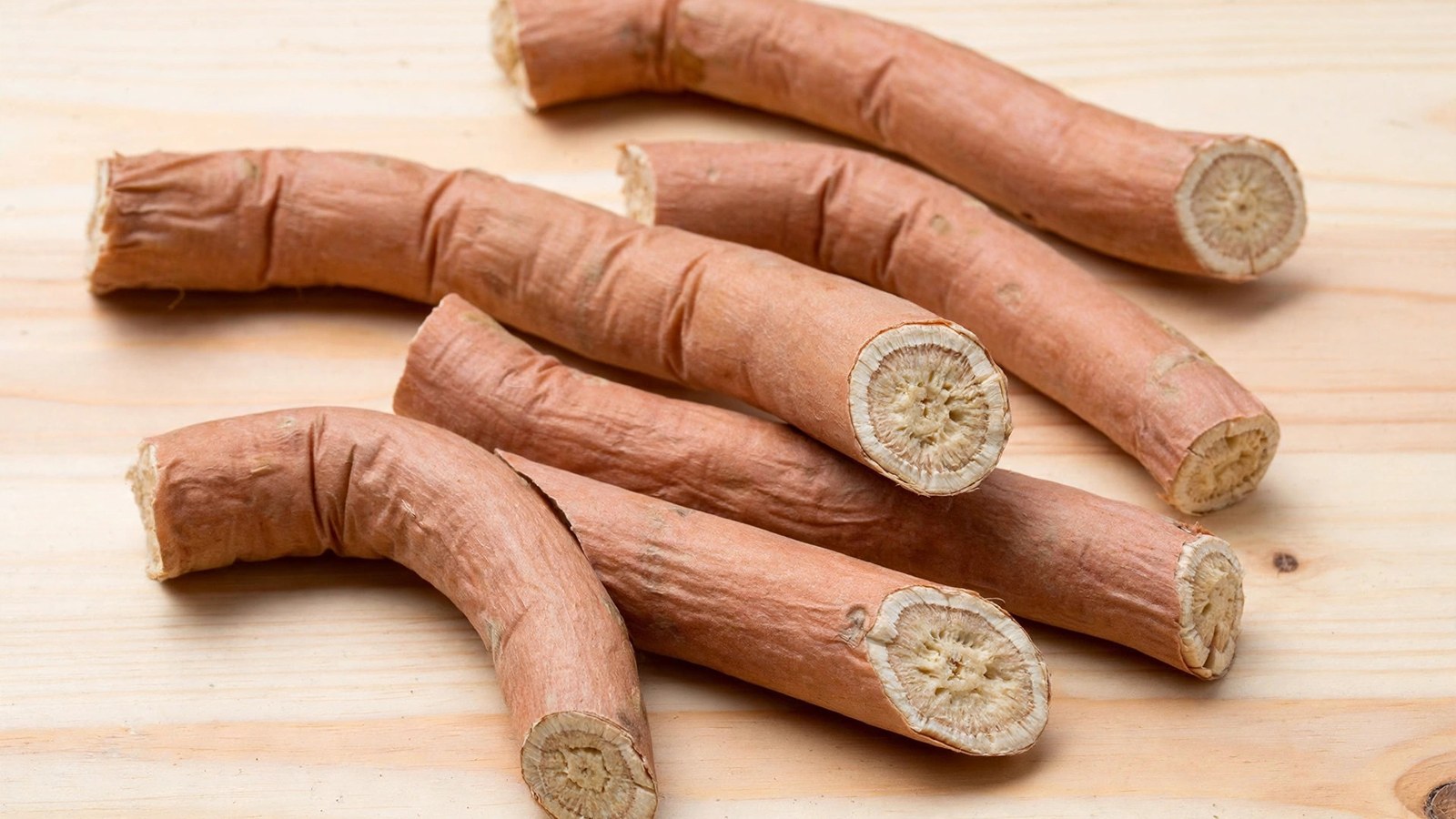
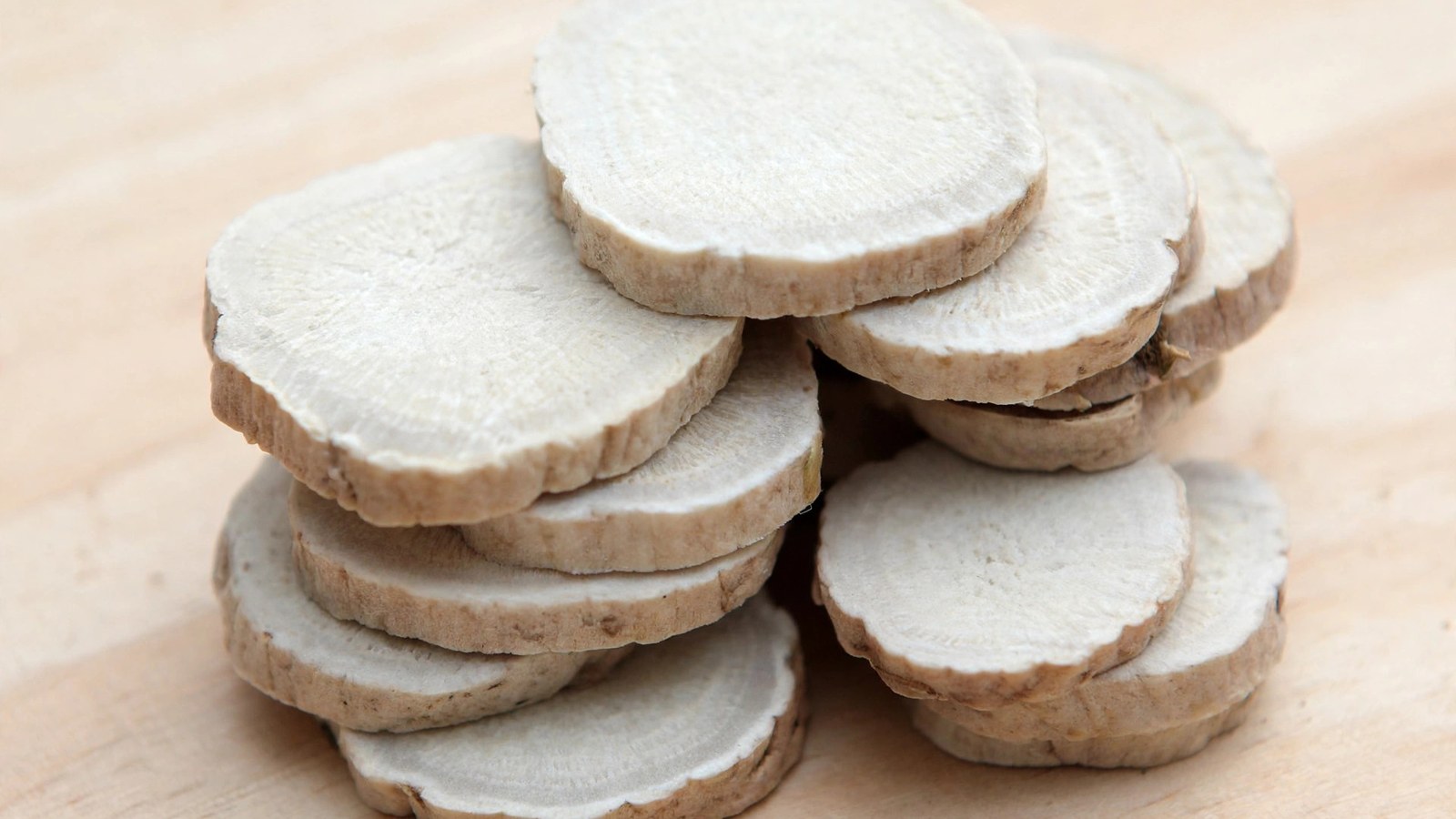
Form:Roots cylindrical, slightly curved, pale reddish-brown or whitish on the surface, smooth, firm in texture.
Traditional functions:Nourishes blood and regulates menstruation, restrains yin and stops sweating, softens the liver and relieves pain, calms liver yang.
Zhejiang daodi origins:Hangzhou, Pan’an, Dongyang, Lanxi, Jiande, and others.
Provenance:Peony appears earliest in the Zheng Feng section of the Shijing (Book of Songs); the Shennong Bencao Jing (Shennong’s Classic of Materia Medica) records peony; red and white were distinguished from the Liang dynasty, and the Ming-dynasty Bencao Pinhui Jingyao (Classified Essentials of Materia Medica) regarded Hang and Yue produce as daodi.
Classic formulas:Shaoyao Gancao Tang (Peony and Licorice Decoction).
Latin Name: Fritillariae Thunbergii Bulbus
Botanical Name: Fritillaria thunbergii Miq.
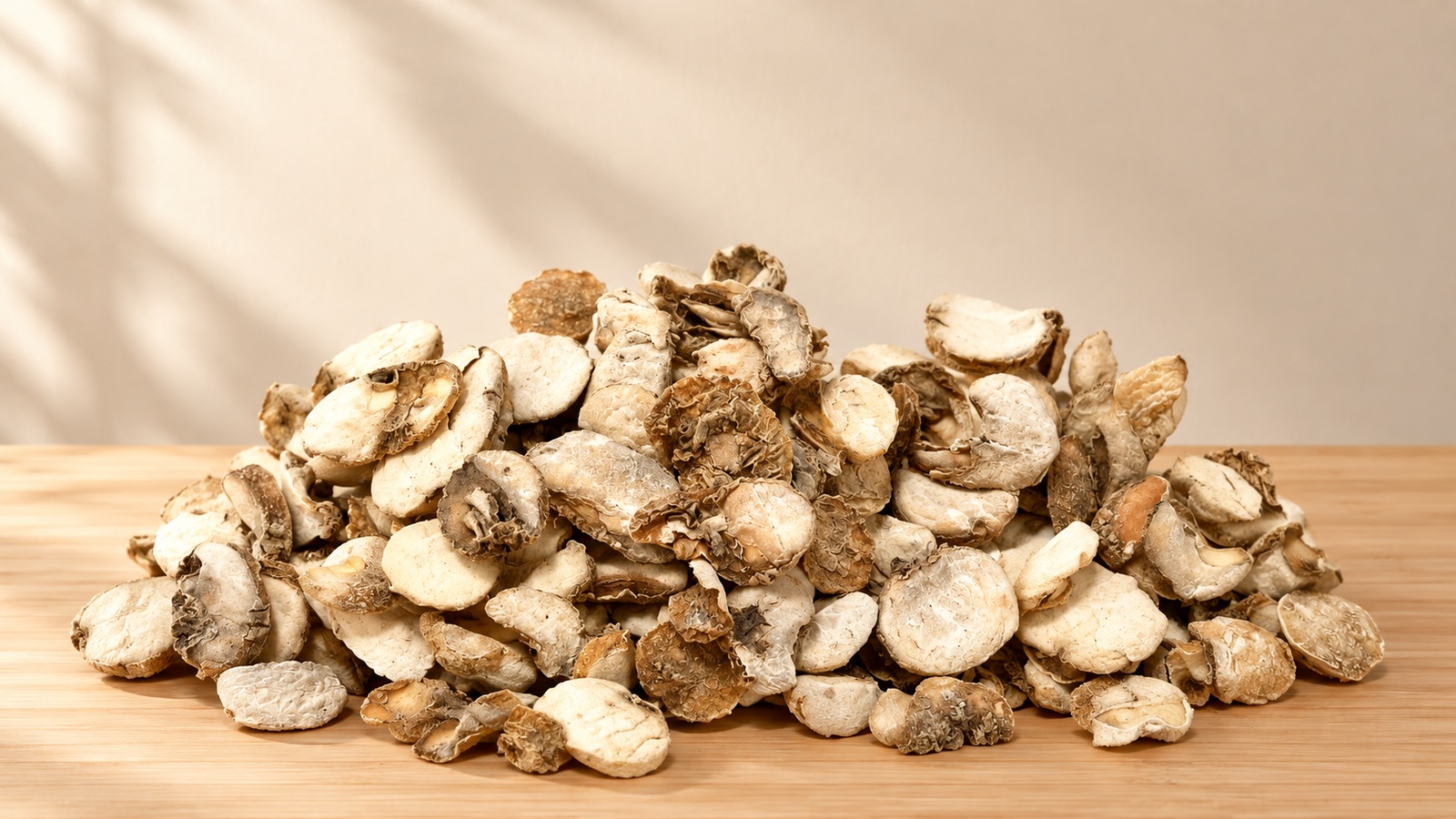
Form:Bulbs flattened-globose, whitish on the surface, with thick outer scales, firm in texture, faint in aroma.
Traditional functions:Clears heat and transforms phlegm, traditionally described as dispersing nodules and resolving abscesses.
Zhejiang daodi origins:Ningbo, Xiangshan, Yuyao, Cixi, and others.
Provenance:Zhebeimu originated in Jianqiao, Hangzhou, and was later transplanted to Xiangshan in Yin county, where it became known as xiangbei; in the Kangxi reign it was brought from Xiangshan to Yinzhou, and by the Daoguang reign it was widely grown in Yinzhou, when xiangbei was renamed zhebei.
Classic formulas:Beimu Gualou San (Fritillaria and Trichosanthes Powder).
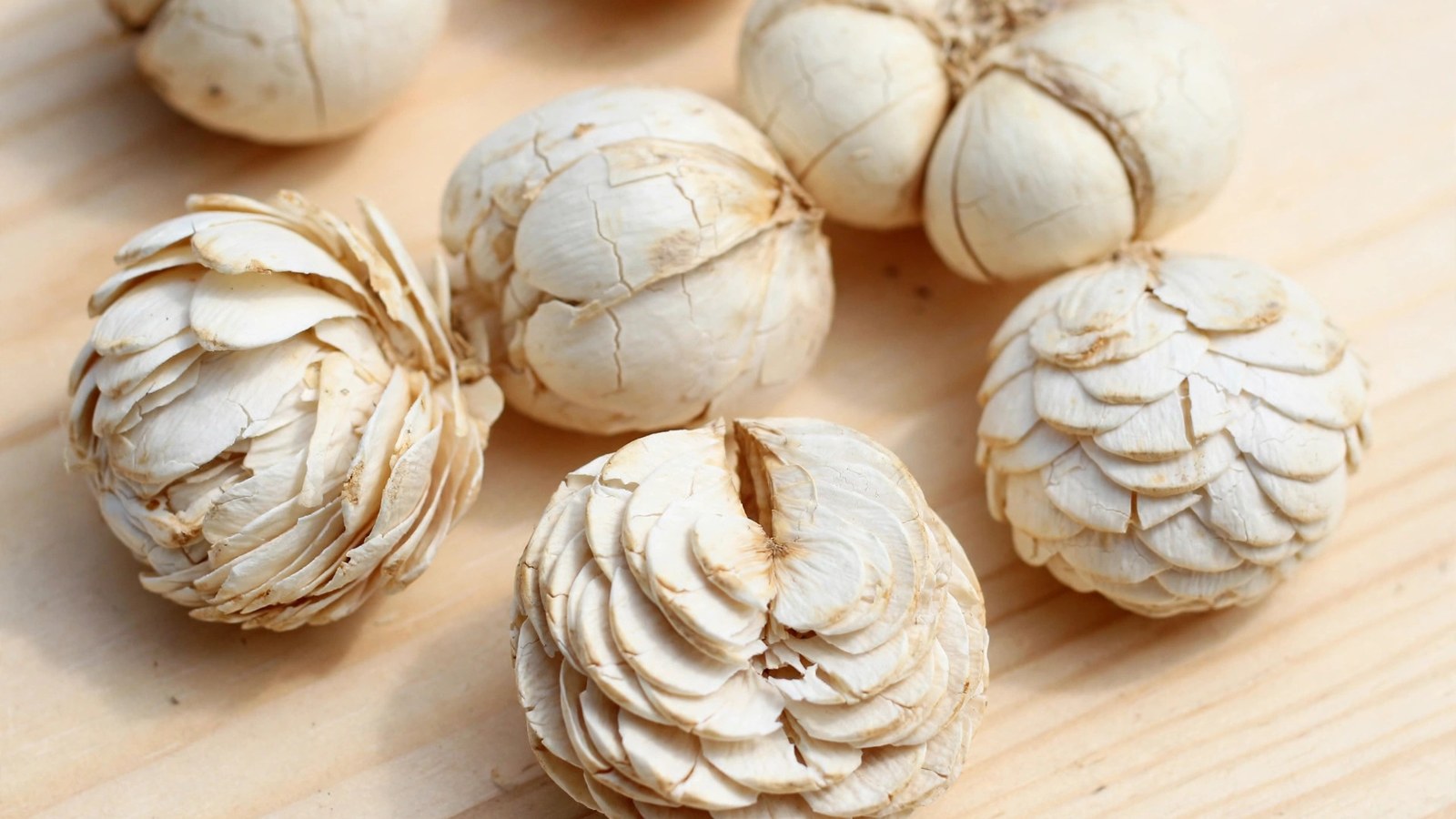
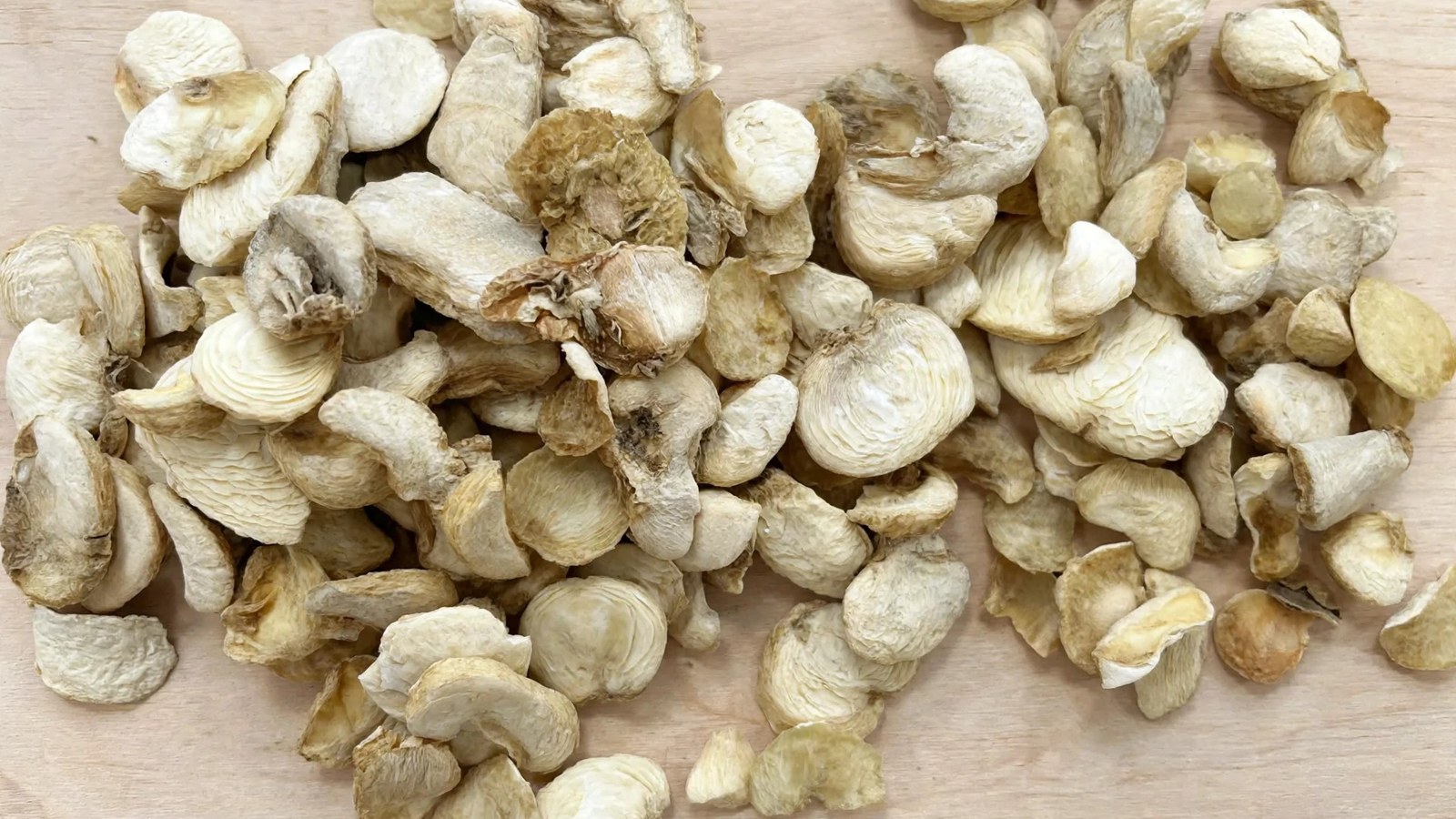
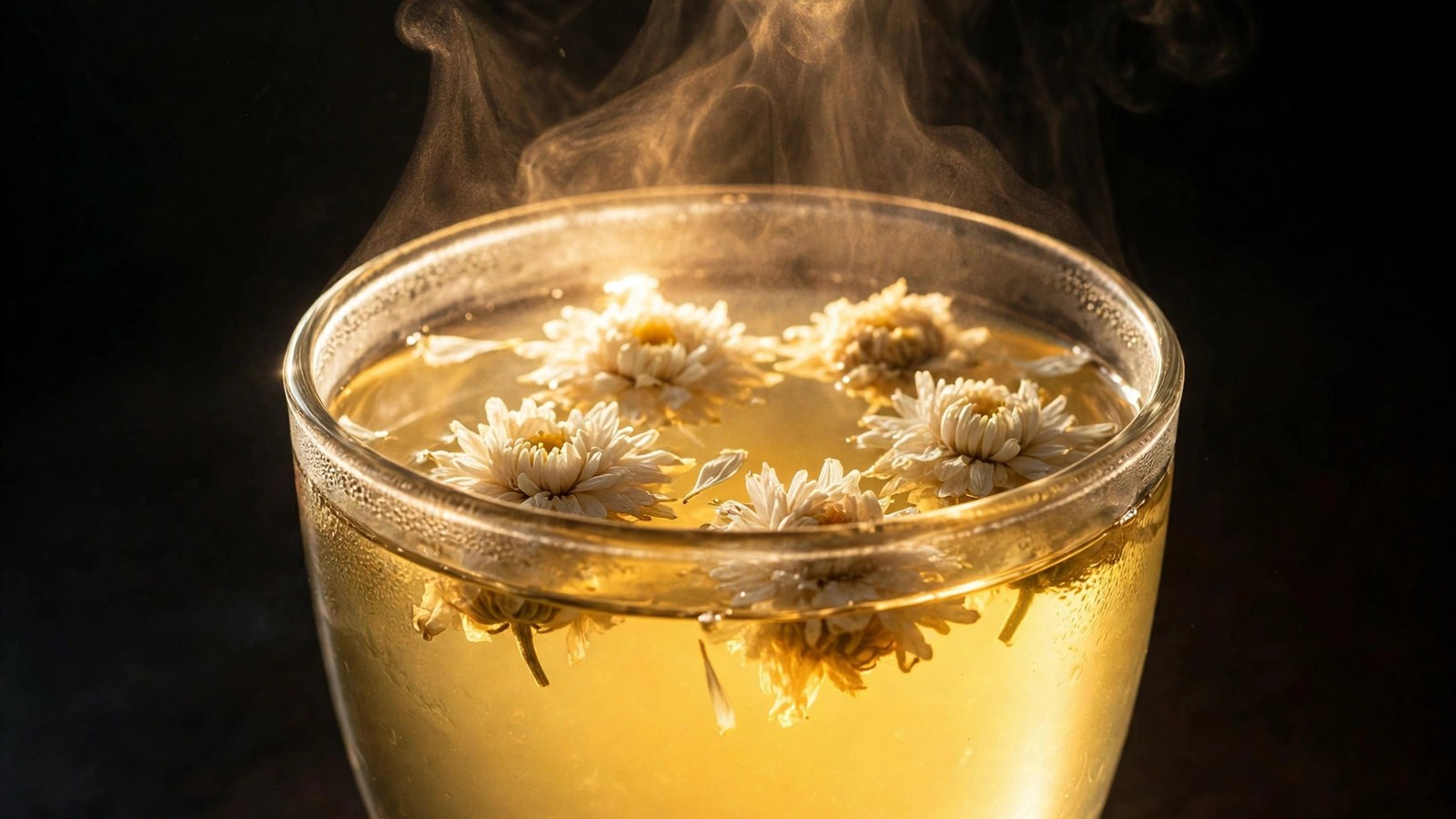
Latin Name: Chrysanthemi Flos
Botanical Name: Chrysanthemum morifolium Ramat.
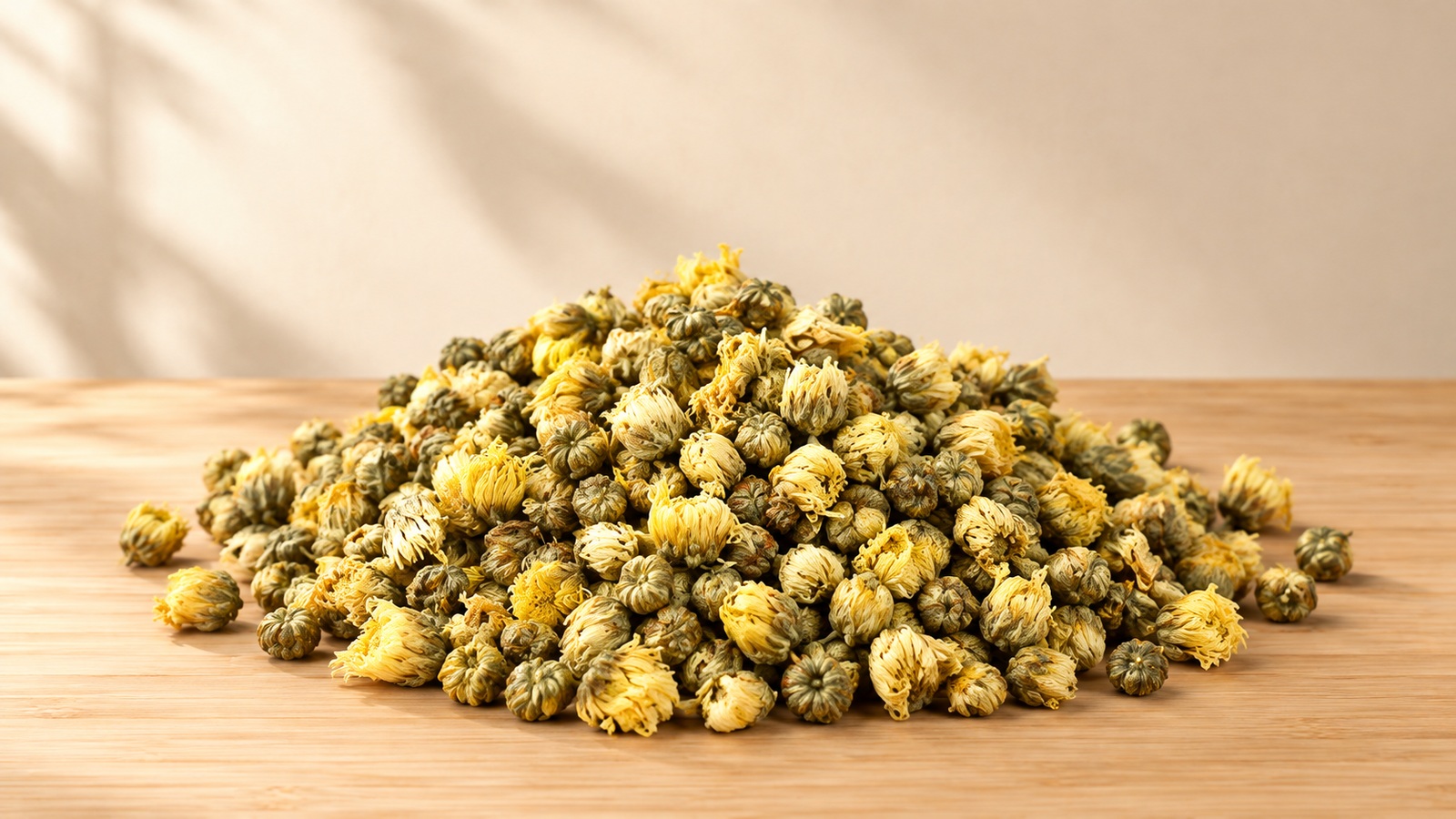
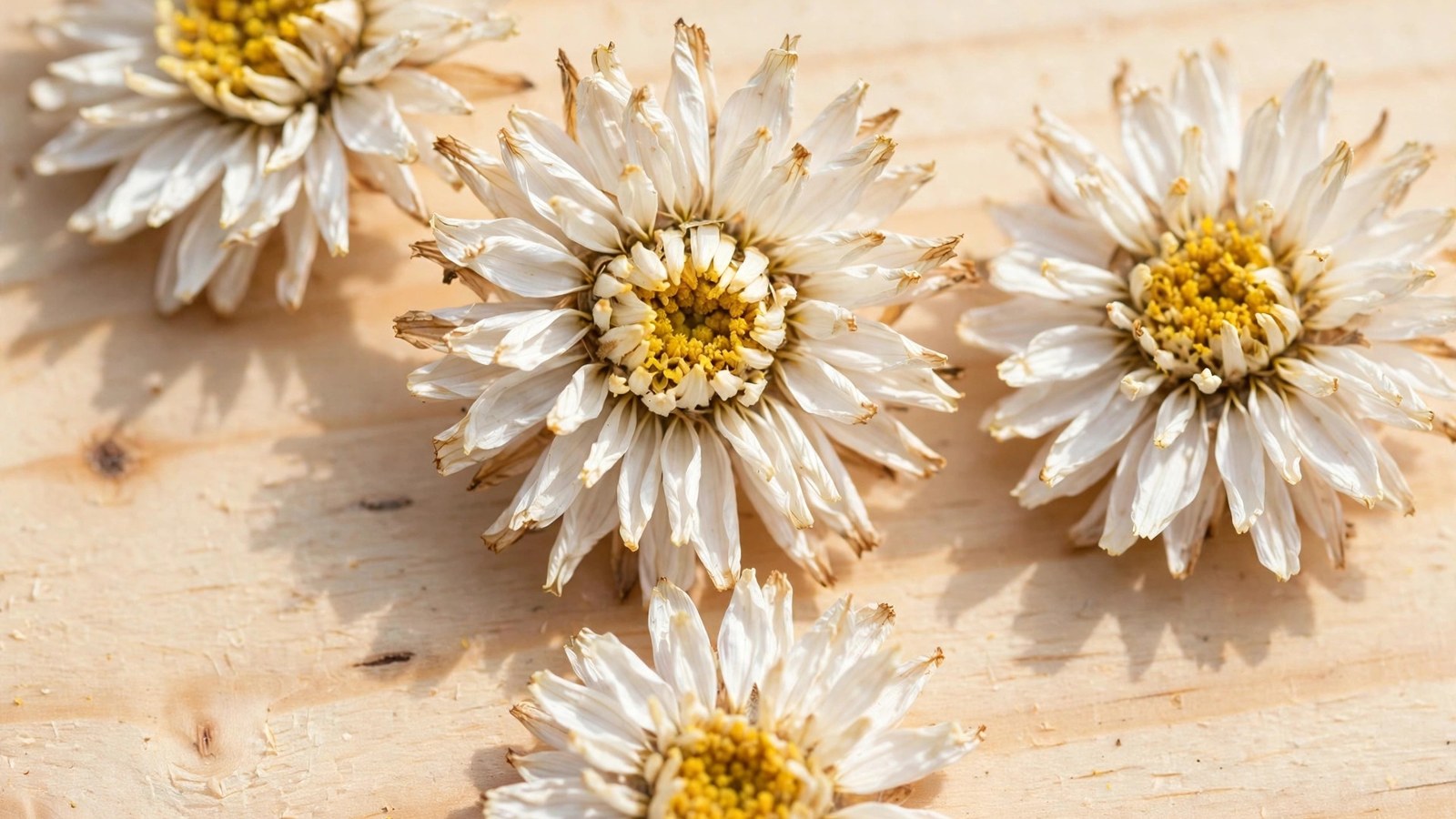
Form:Capitula with white ray florets, spreading ligulate florets, and yellow central tubular florets, with a clear fragrance.
Traditional functions:Traditionally used to dispel wind and clear heat, calm the liver and improve vision, and clear heat and relieve toxicity.
Zhejiang daodi origins:Tongxiang, Huzhou, Haining, Jiaxing, and others.
Provenance:Hangbaiju originates in Tongxiang; in ancient times it was presented as tribute, often mentioned alongside Longjing tea.
Classic formulas:Sangju Yin (Mulberry Leaf and Chrysanthemum Drink).
Latin Name: Corydalis Rhizoma
Botanical Name: Corydalis yanhusuo Y.H.Chou & Chun C.Hsu
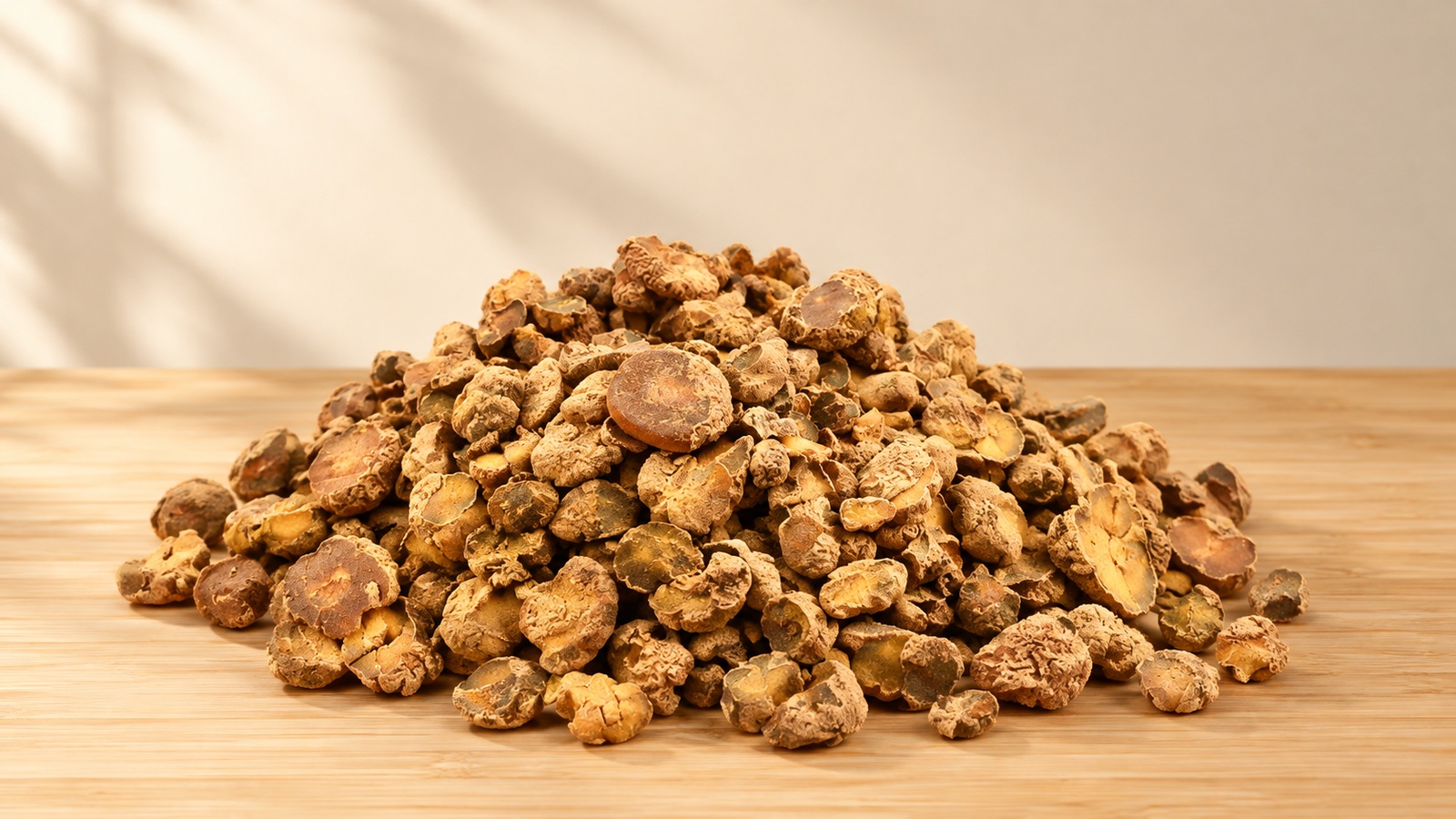
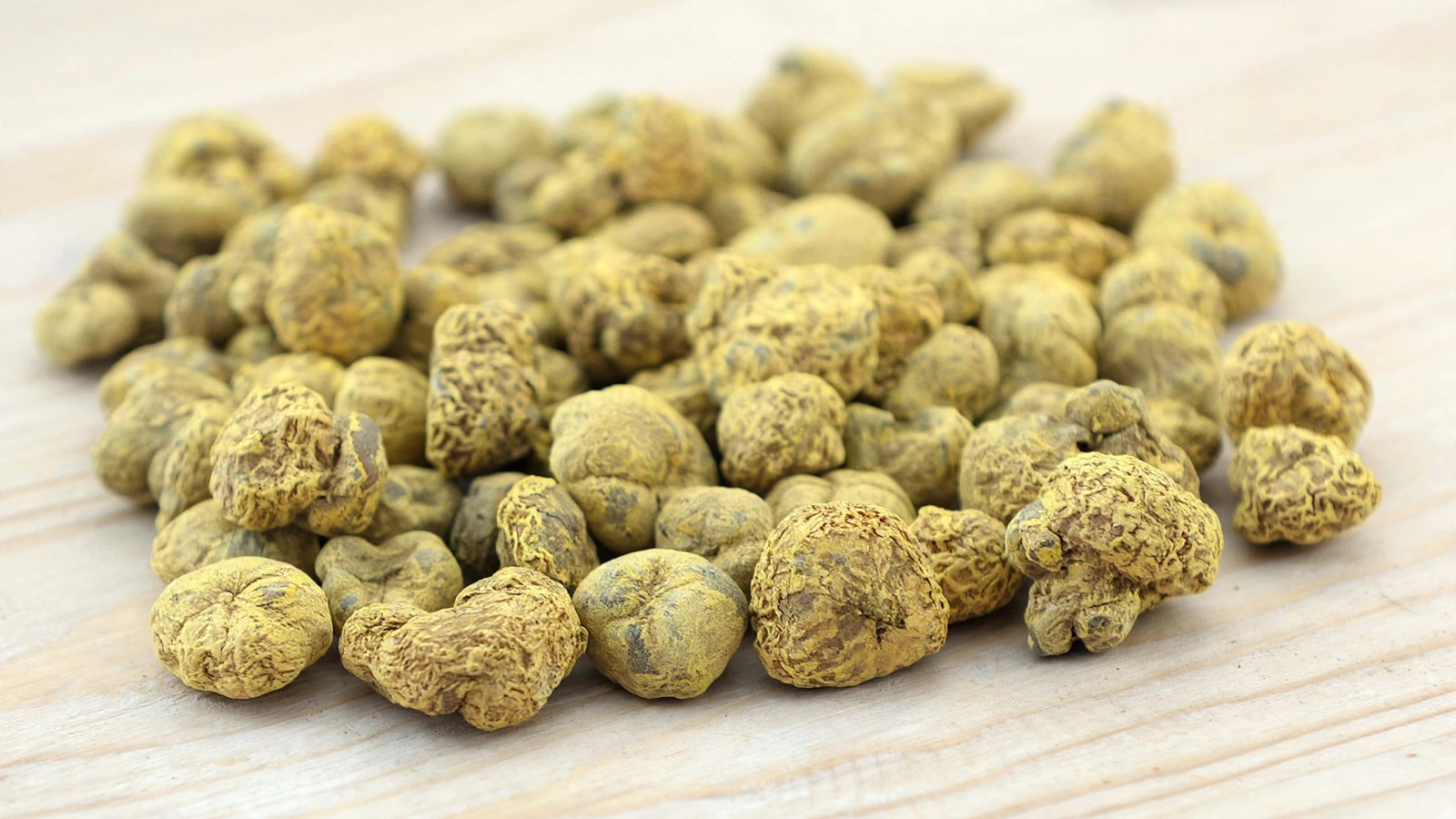
Form:Tubers flattened-globose, yellow on the surface, hard in texture, yellow in cross-section, horny in appearance.
Traditional functions:Traditionally used to move blood, regulate qi, and relieve pain.
Zhejiang daodi origins:Dongyang, Pan’an, Jinyun, Yongkang, Wuyi, and others.
Provenance:The Bencao Qiuzhen (Seeking Truth in Materia Medica) records that Yanhusuo from Maoshan is the finest; the Wenzhou peng’e zhu entry in the Song-dynasty Tujing Bencao refers to Wenyujin, which must be distinguished from Yanhusuo.
Classic formulas:Jinlingzi San (Melia Powder).
Latin Name: Scrophulariae Radix
Botanical Name: Scrophularia ningpoensis Hemsl.
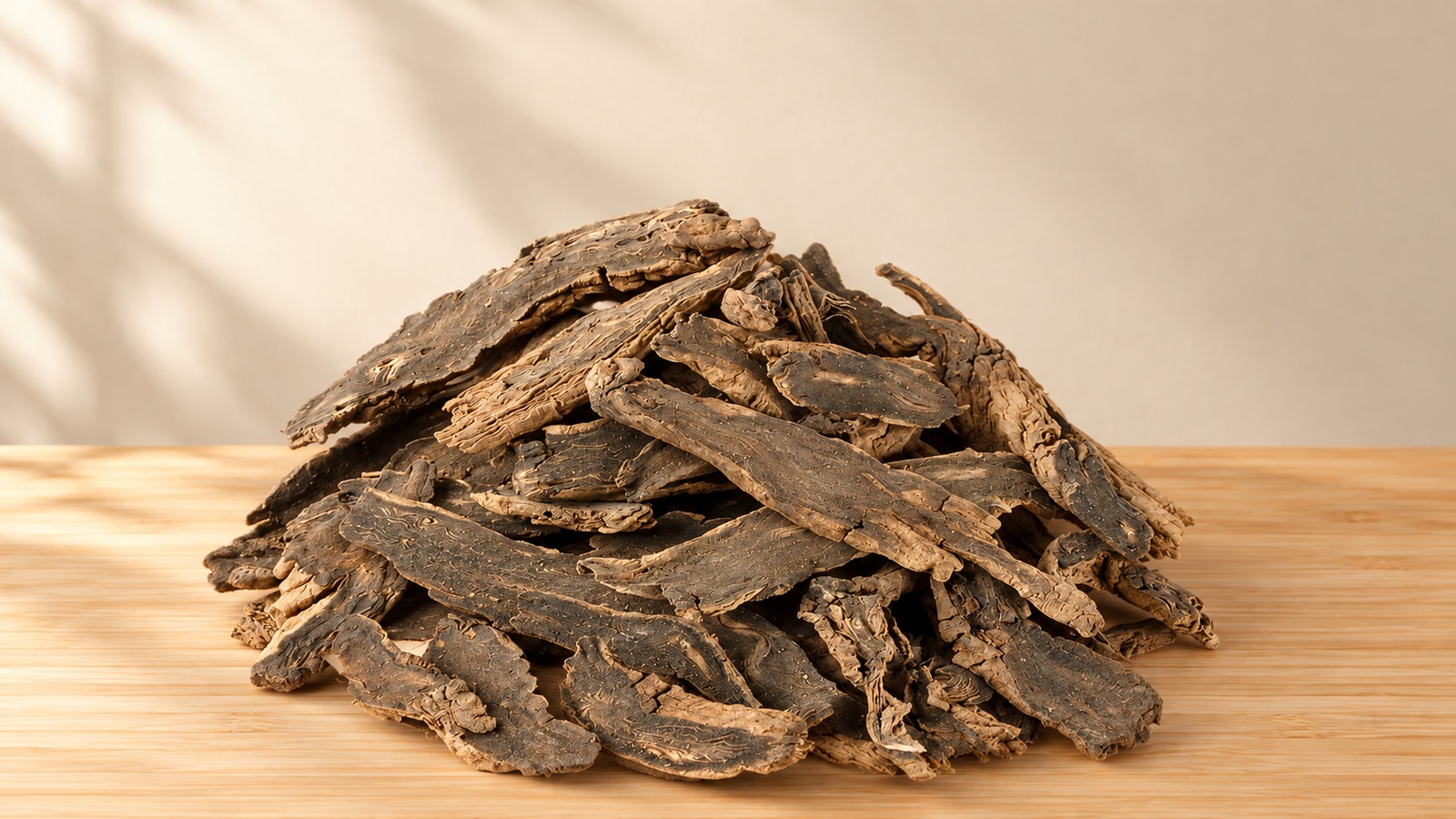
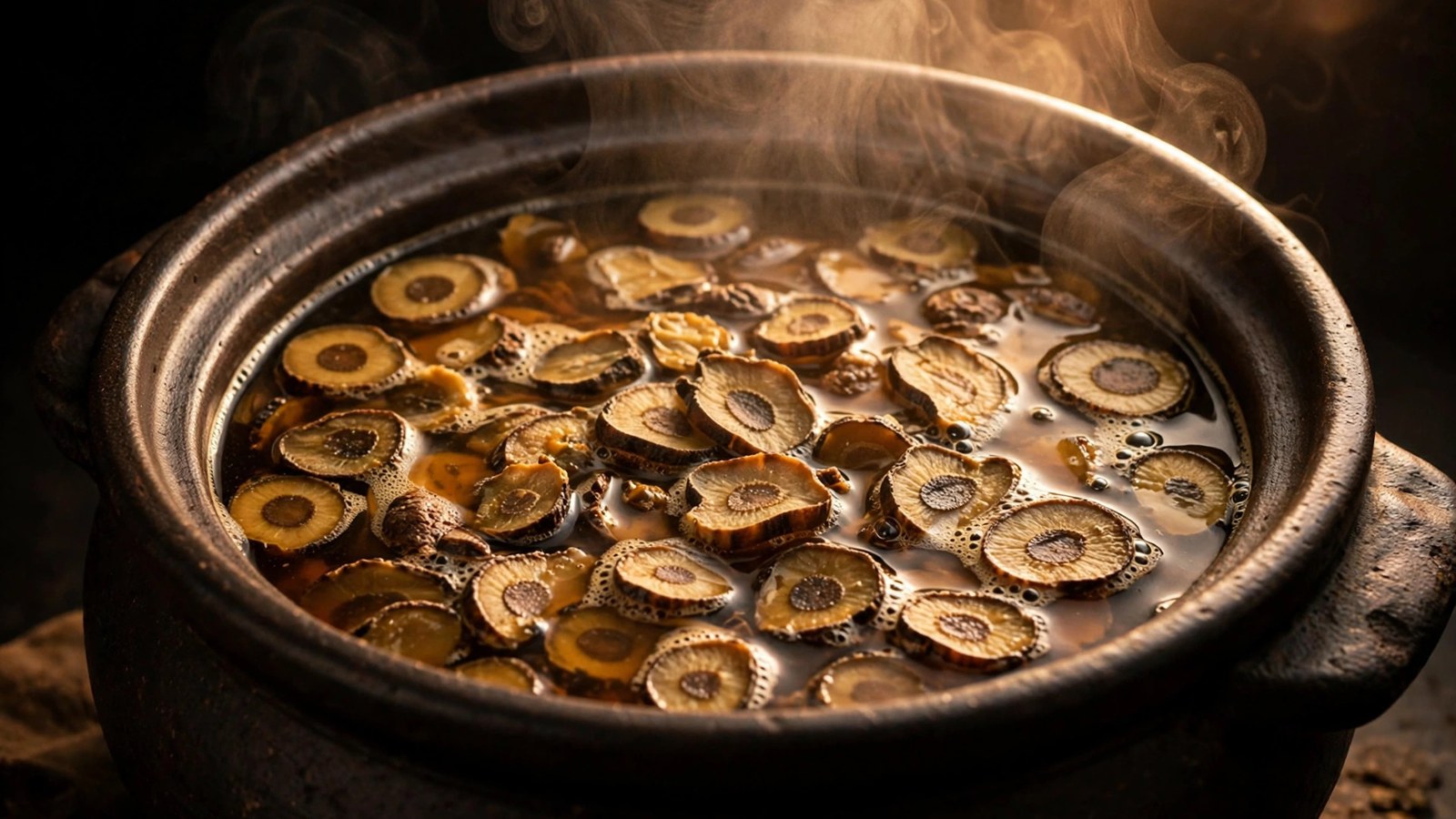
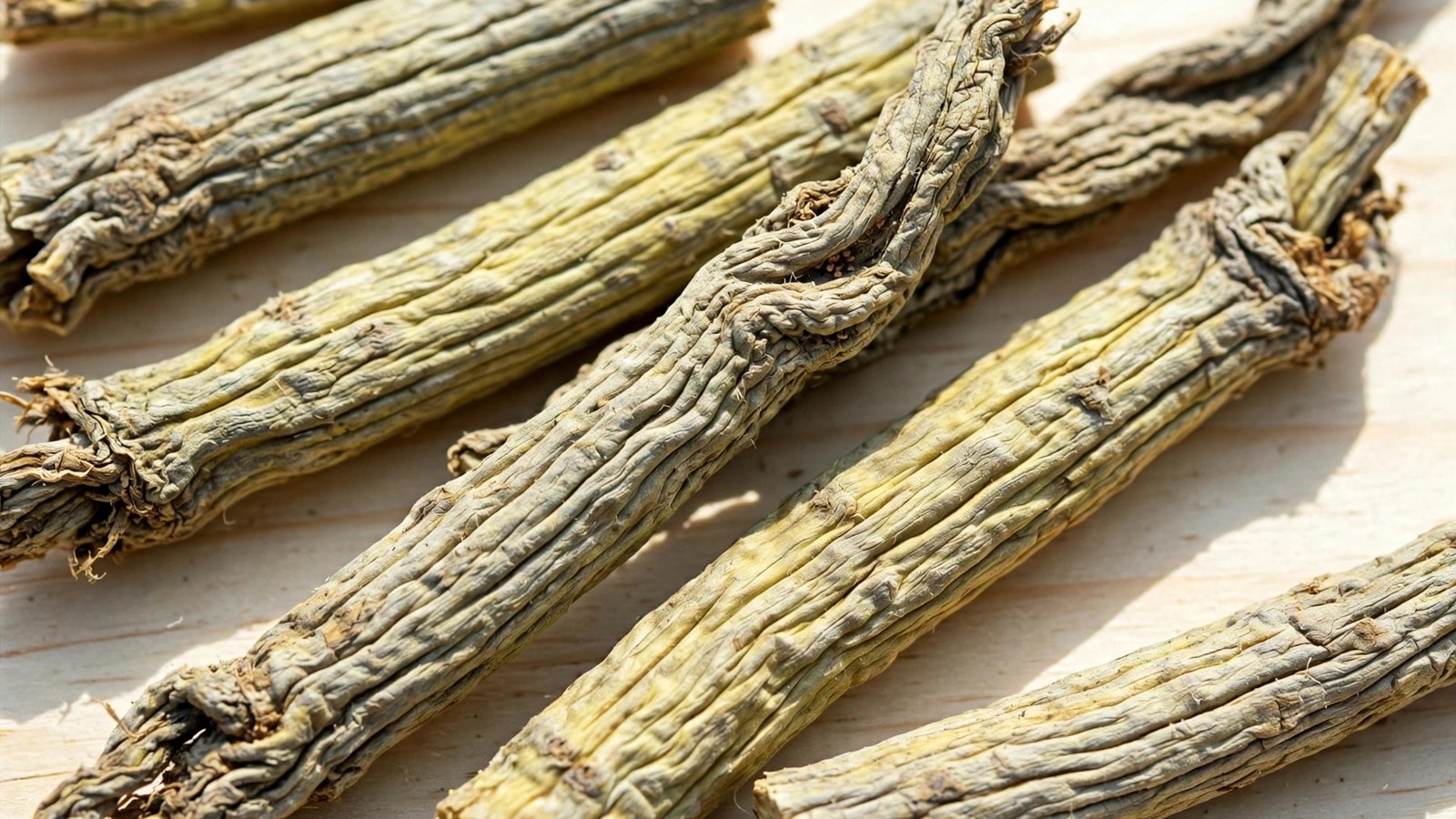
Form:Roots cylindrical, greyish-yellow on the surface, with longitudinal wrinkles, firm in texture, black in cross-section, slightly lustrous.
Traditional functions:Traditionally used to clear heat and cool blood, nourish yin and reduce fire, and relieve toxicity and dissipate nodules.
Zhejiang daodi origins:Wuyi, Jinyun, Yongkang, Pan’an, and others.
Provenance:Xuanshen appears in the Shennong Bencao Jing; the Benjing Fengyuan (Encountering the Source of the Classic) calls it heishen (black ginseng); Zhejiang is one of its traditional producing areas.
Classic formulas:Zengye Tang (Increase the Fluids Decoction).
Latin Name: Ophiopogonis Radix
Botanical Name: Ophiopogon japonicus (L.f.) Ker Gawl.
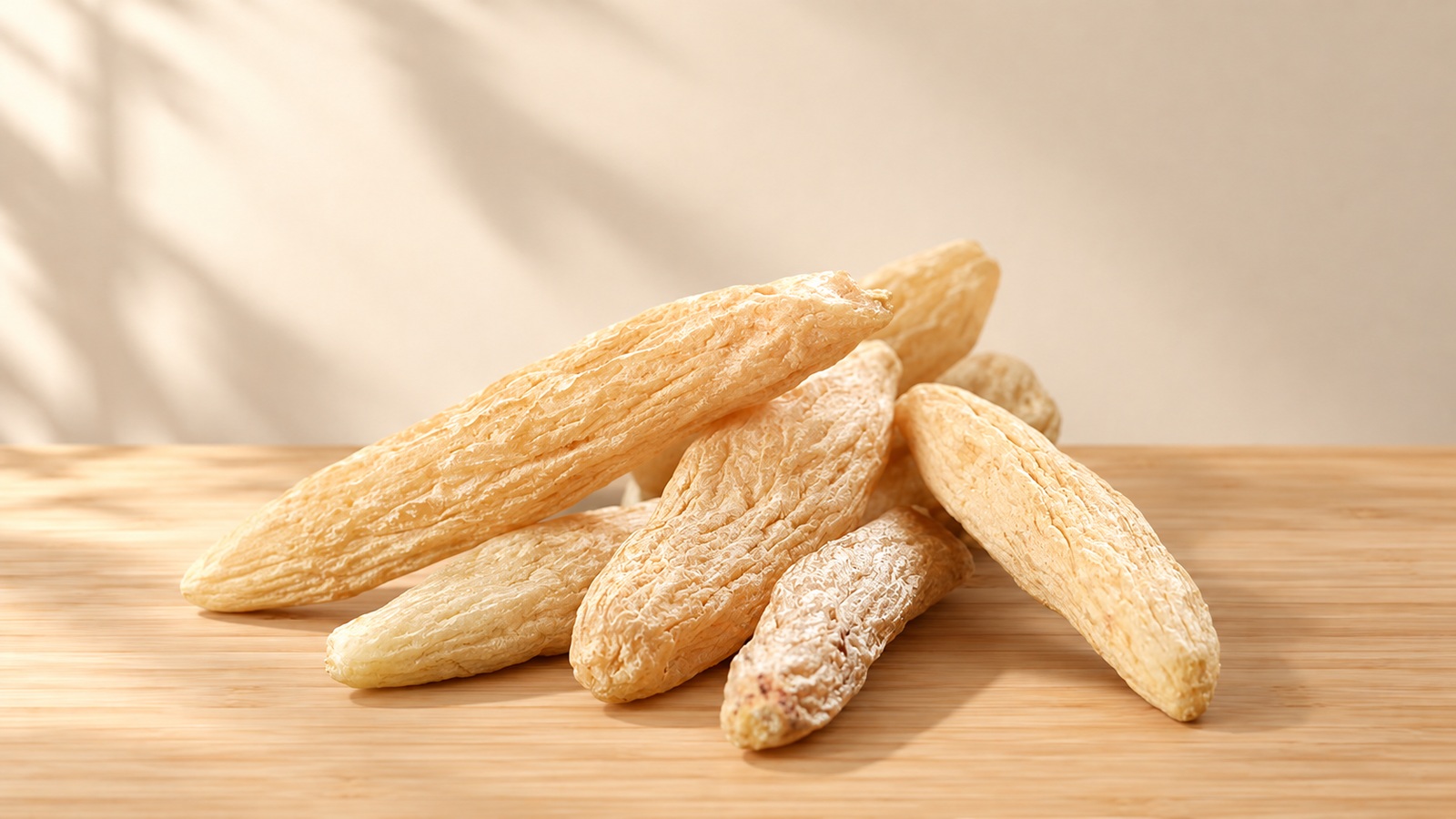
Form:Tuberous roots fusiform, tapering at both ends, pale yellow on the surface, semi-translucent, flexible in texture.
Traditional functions:Traditionally used to nourish yin and generate fluids, and moisten the lungs and clear the heart.
Zhejiang daodi origins:Cixi, Yuyao, Hangzhou, Xiaoshan, Shaoxing, and others.
Provenance:Maidong appears in the Shennong Bencao Jing, listed as a top-grade herb; Zhemaidong originally came from Jianqiao, Hangzhou, and later came to refer generally to Zhejiang produce, chiefly from Yuyao, Hangzhou, Cixi and Xiaoshan.
Classic formulas:Maimendong Tang (Ophiopogon Decoction).
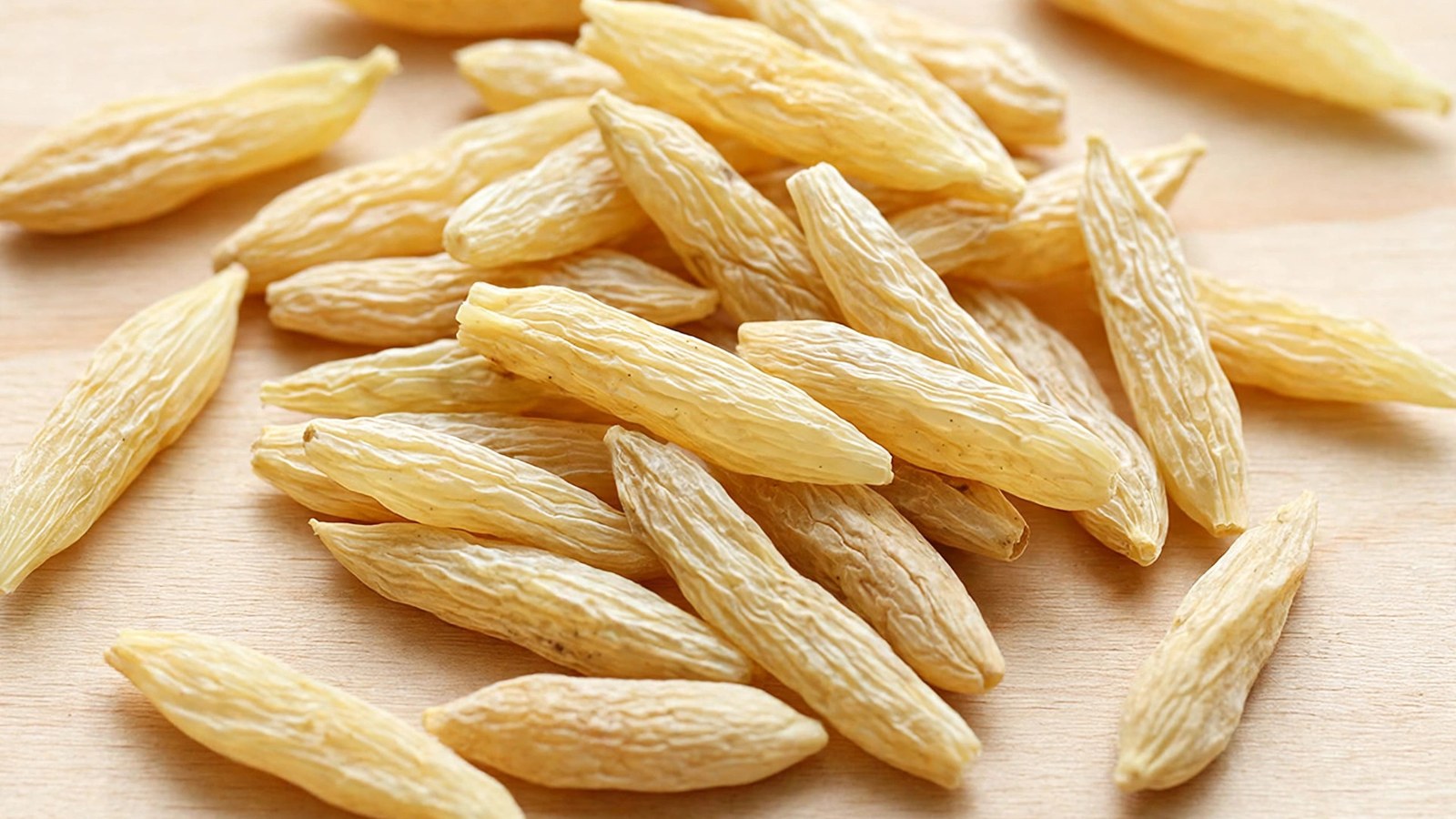
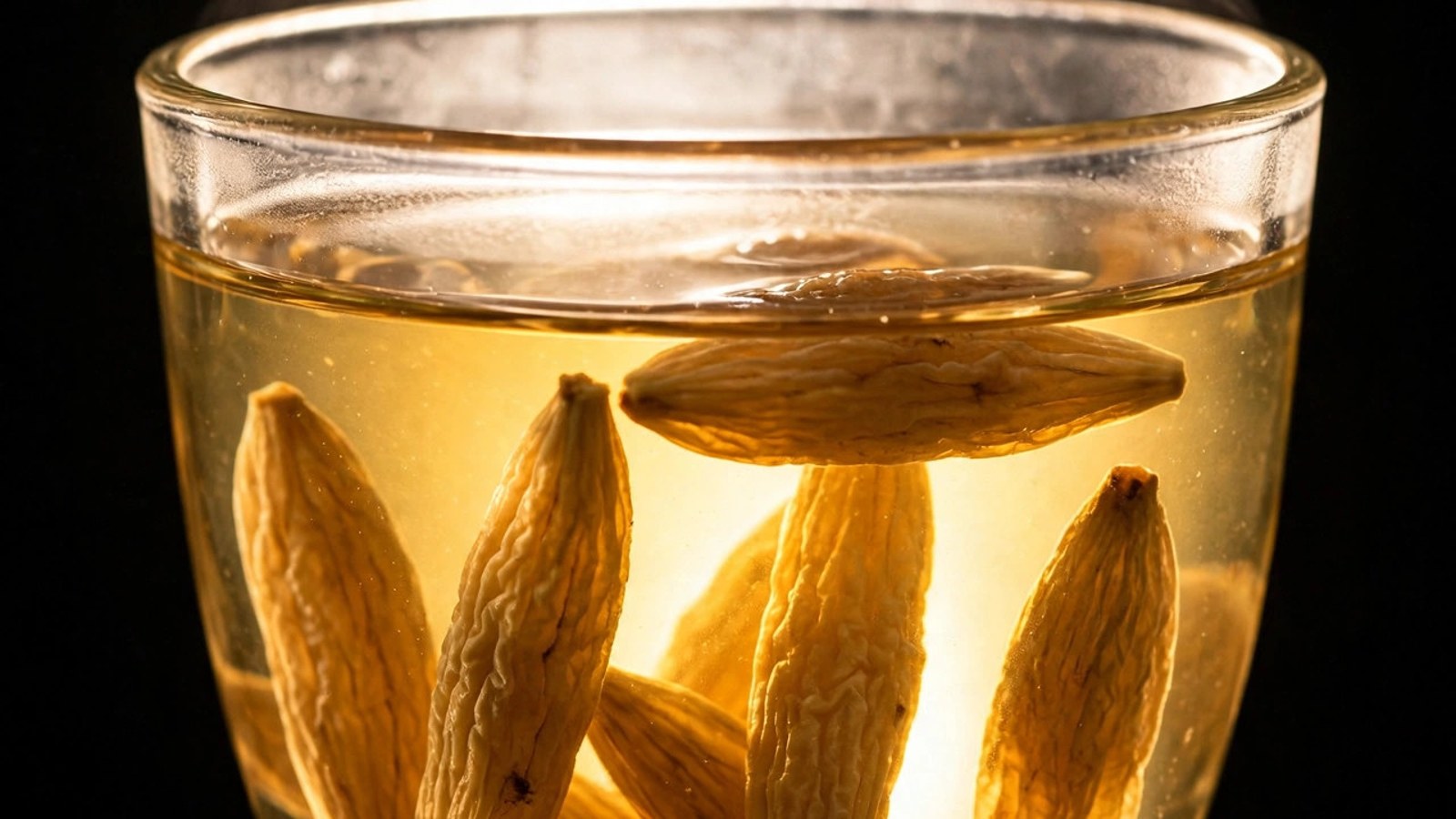
Latin Name: Curcumae Radix
Botanical Name: Curcuma wenyujin Y.H.Chen & C.Ling
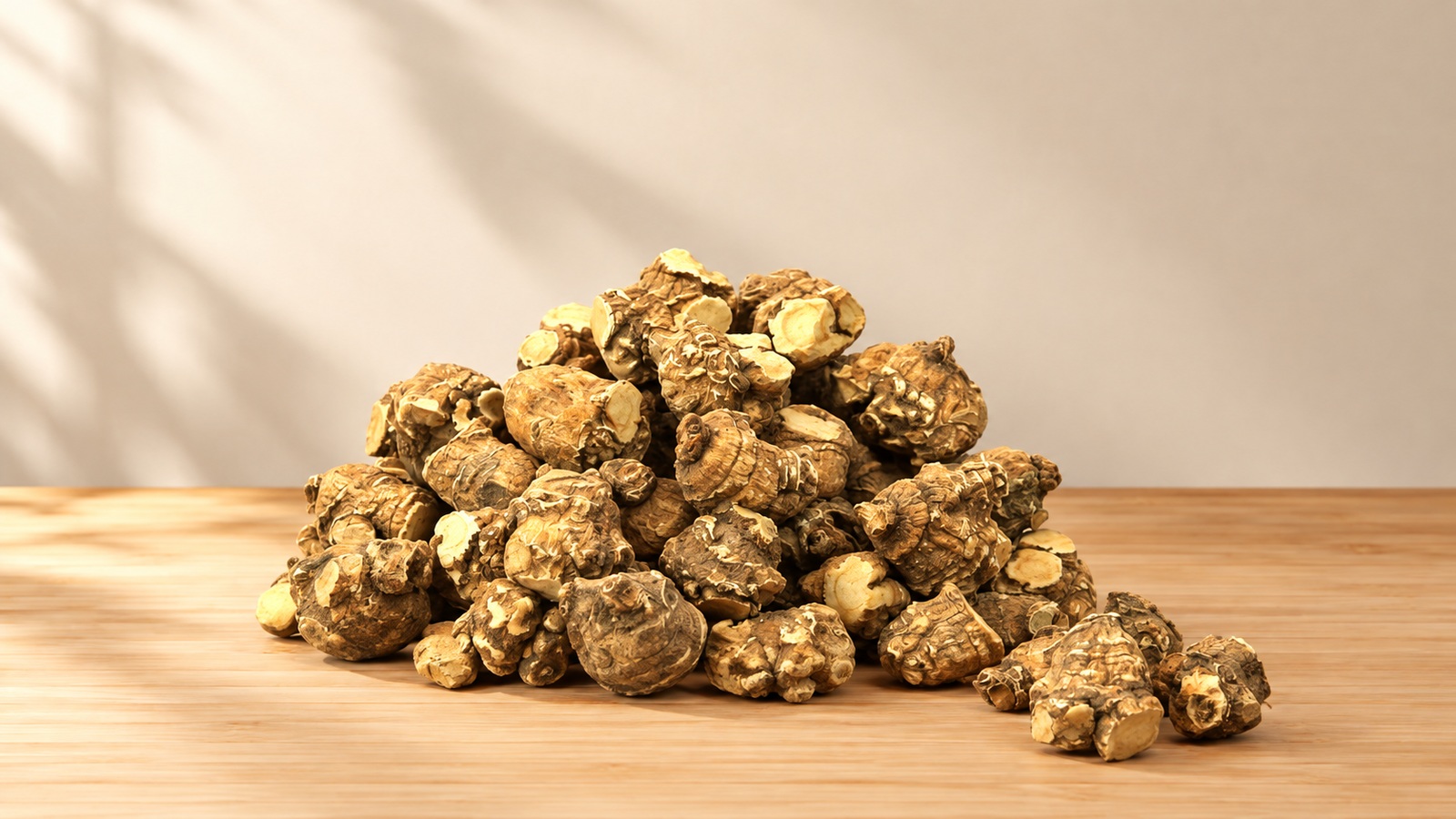
Form:Tuberous roots fusiform or long-ovoid, greyish-yellow on the surface, orange-yellow in cross-section, fragrant.
Traditional functions:Invigorates blood and moves qi, clears the heart and cools blood, benefits the gallbladder and reduces jaundice.
Zhejiang daodi origins:Rui’an, Wenzhou, Yongjia, Yueqing, and others.
Provenance:The Wenzhou peng’e zhu recorded in the Song-dynasty Tujing Bencao is today’s Wenyujin.
Classic formulas:Diandao Mujin San.
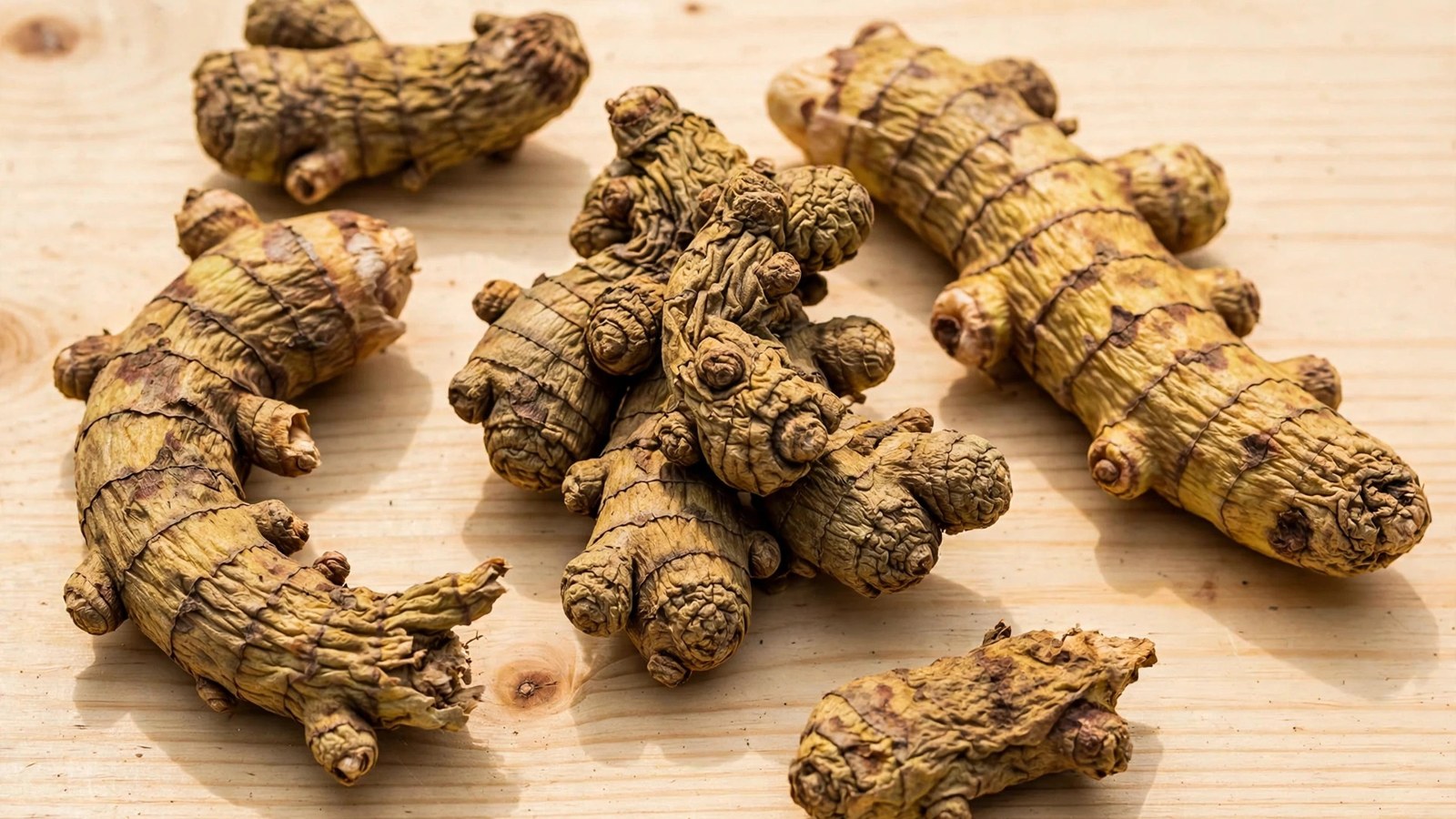
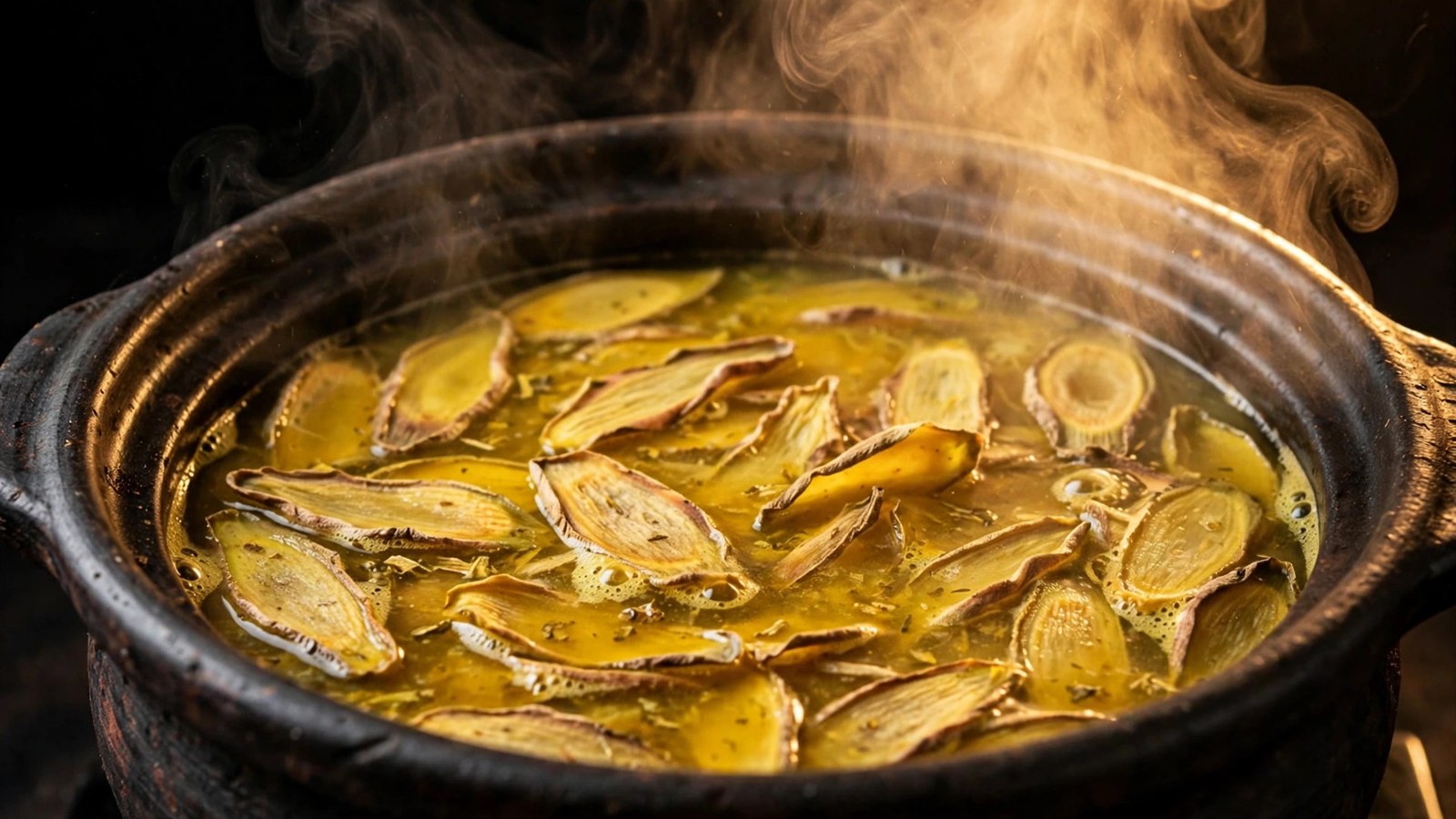
Latin Name: Dendrobii Officinalis Caulis
Botanical Name: Dendrobium officinale Kimura & Migo
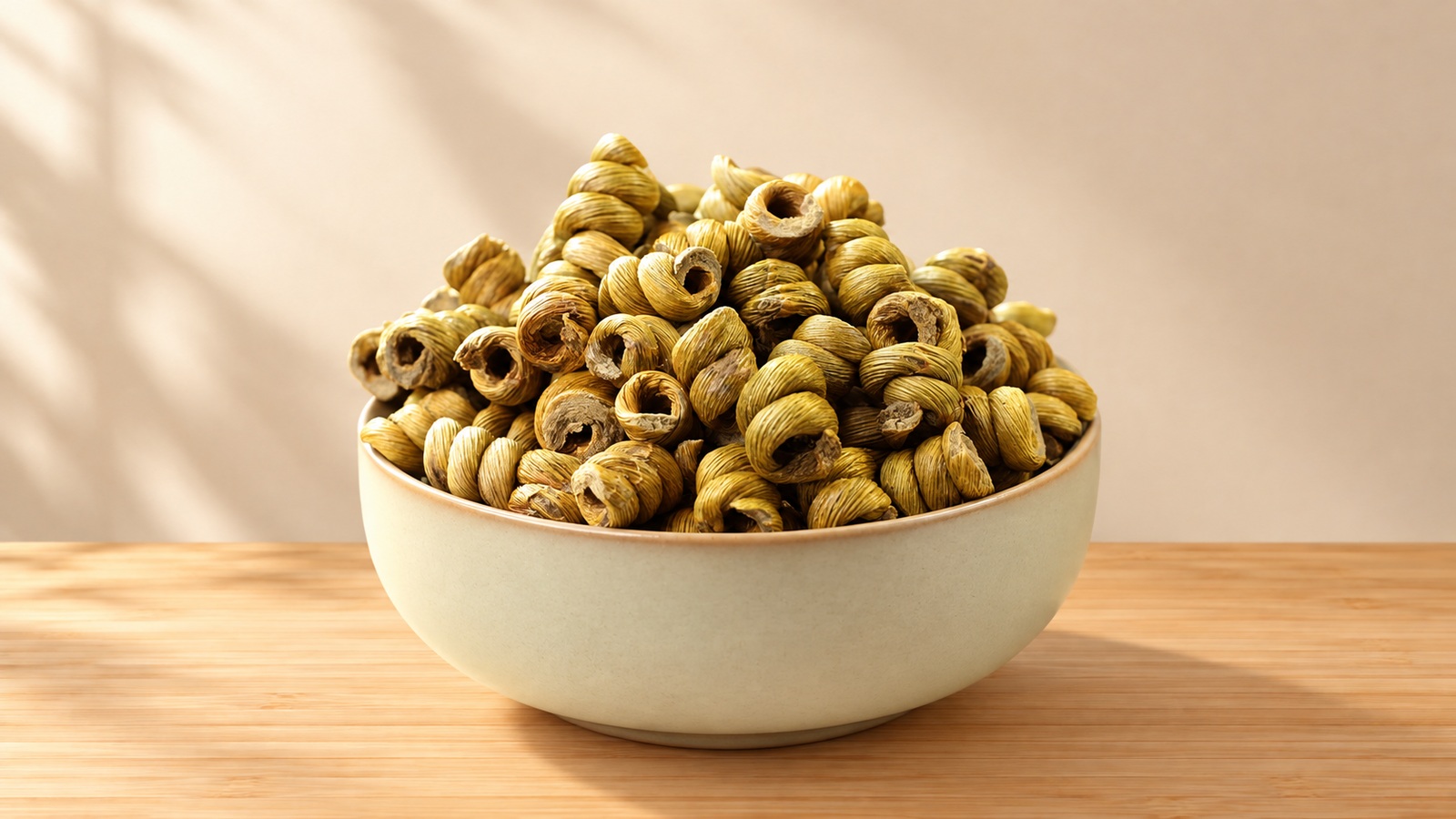
Form:Stems cylindrical, yellowish-green on the surface, with longitudinal markings, hard and brittle in texture, yellowish-green in cross-section.
Traditional functions:Traditionally used to benefit the stomach and generate fluids, and nourish yin and clear heat.
Zhejiang daodi origins:Yueqing, Yongjia, Tiantai, Lin’an, Taishun, and others.
Provenance:Shihu appears in the Shennong Bencao Jing; the Song-dynasty Tujing Bencao records shihu as also found in Wen and Tai prefectures, and Tiantai in Zhejiang is one of the daodi sources of Tiepi Shihu.
Classic formulas:Shihu Yeguang Wan (Night-Shine Pill).
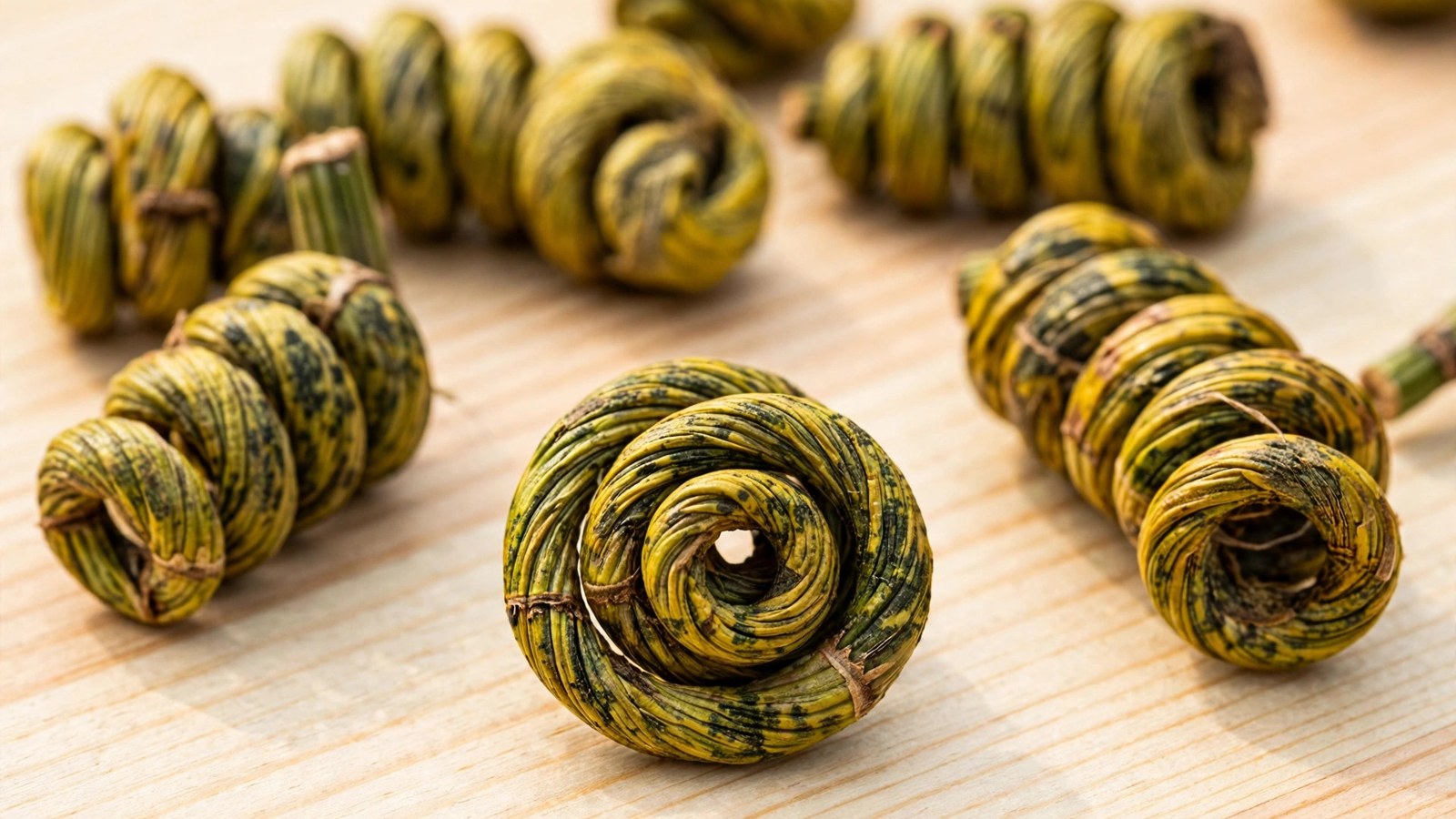
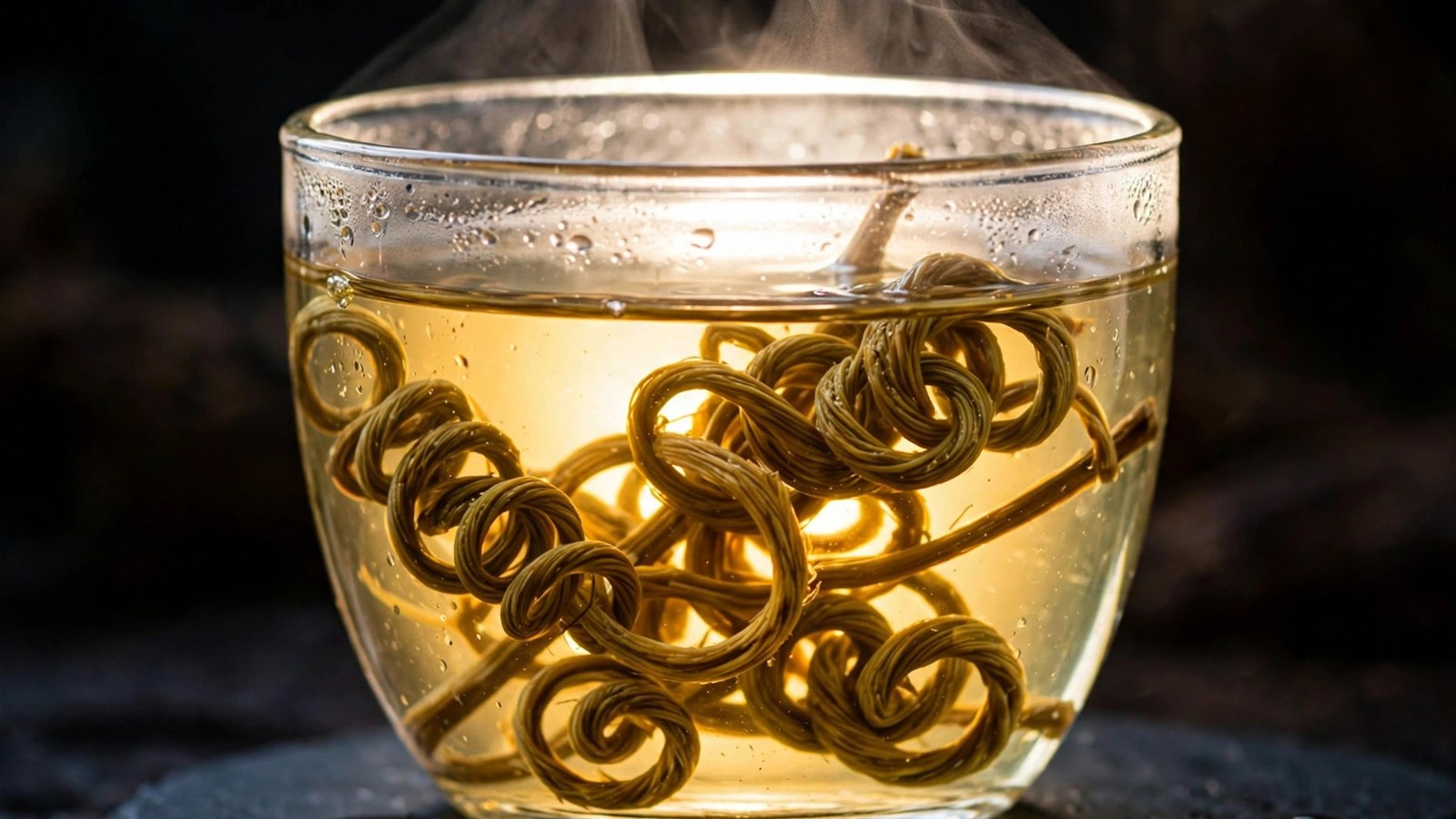
Latin Name: Aurantii Fructus
Botanical Name: Citrus aurantium L. 'Changshan-huyou'
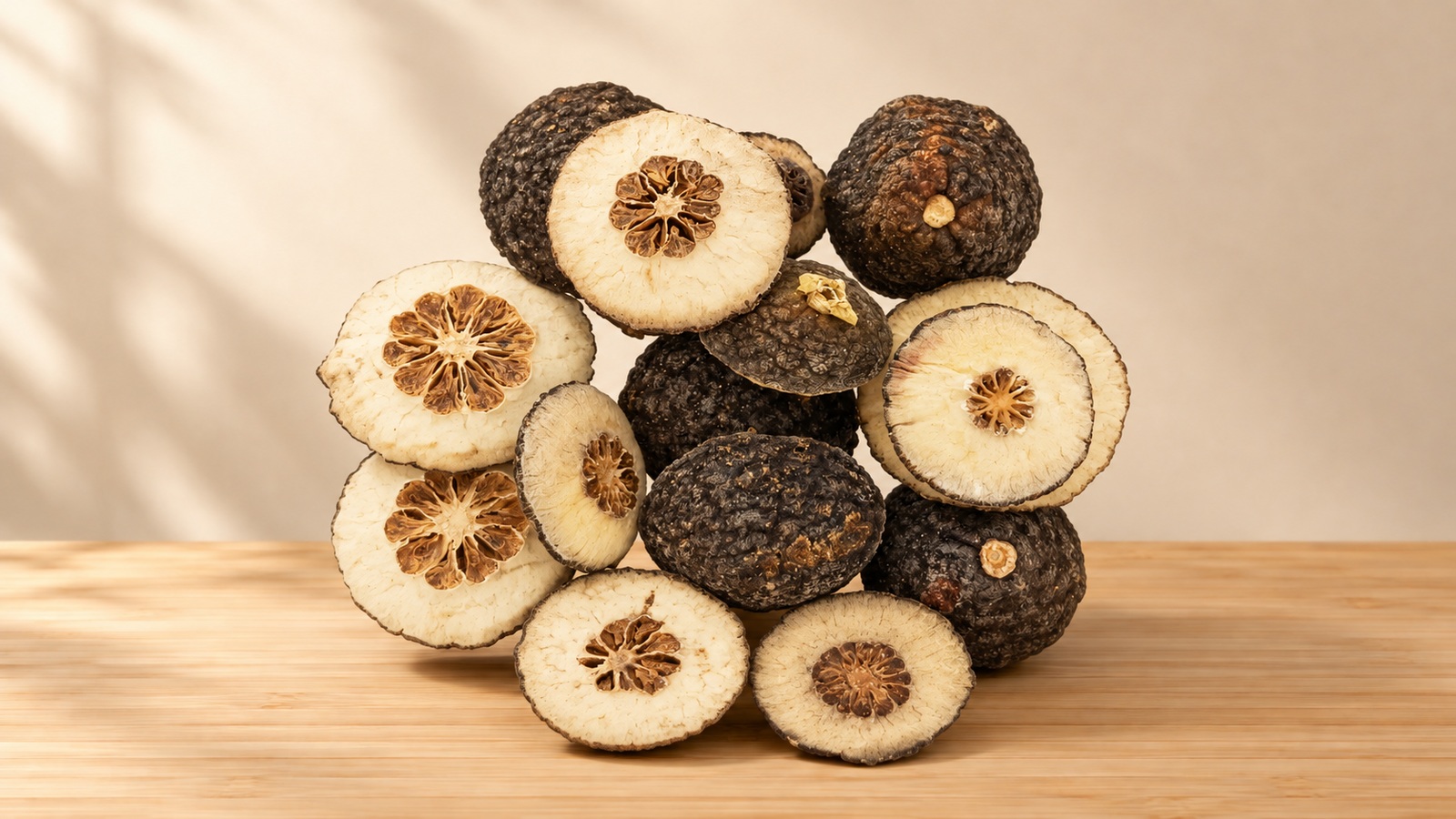
Form:Fruits hemispherical, yellowish-brown on the outer peel, brownish in the pulp sacs, with a clear fragrance.
Traditional functions:Traditionally used to regulate qi and broaden the middle, and move stagnation and relieve distension.
Zhejiang daodi origins:Quzhou, Jiangshan, Changshan, Kaihua, Longyou, and others.
Provenance:The name Quzhike appears in the 2015 edition of the Zhejiang Provincial Standards for Processing Chinese Medicinal Pieces; its predecessor, Quzhou zhike, is recorded as early as the Kangxi reign of the Qing dynasty, and the Zengding Weiyao Tiaobian (Expanded Differentiation of Counterfeit Medicines) notes “those produced in Quzhou, Jiangsu and Zhejiang”; its chief production area is Changshan, Quzhou.
Classic formulas:Zhishu Wan (Aurantium and Atractylodes Pill).
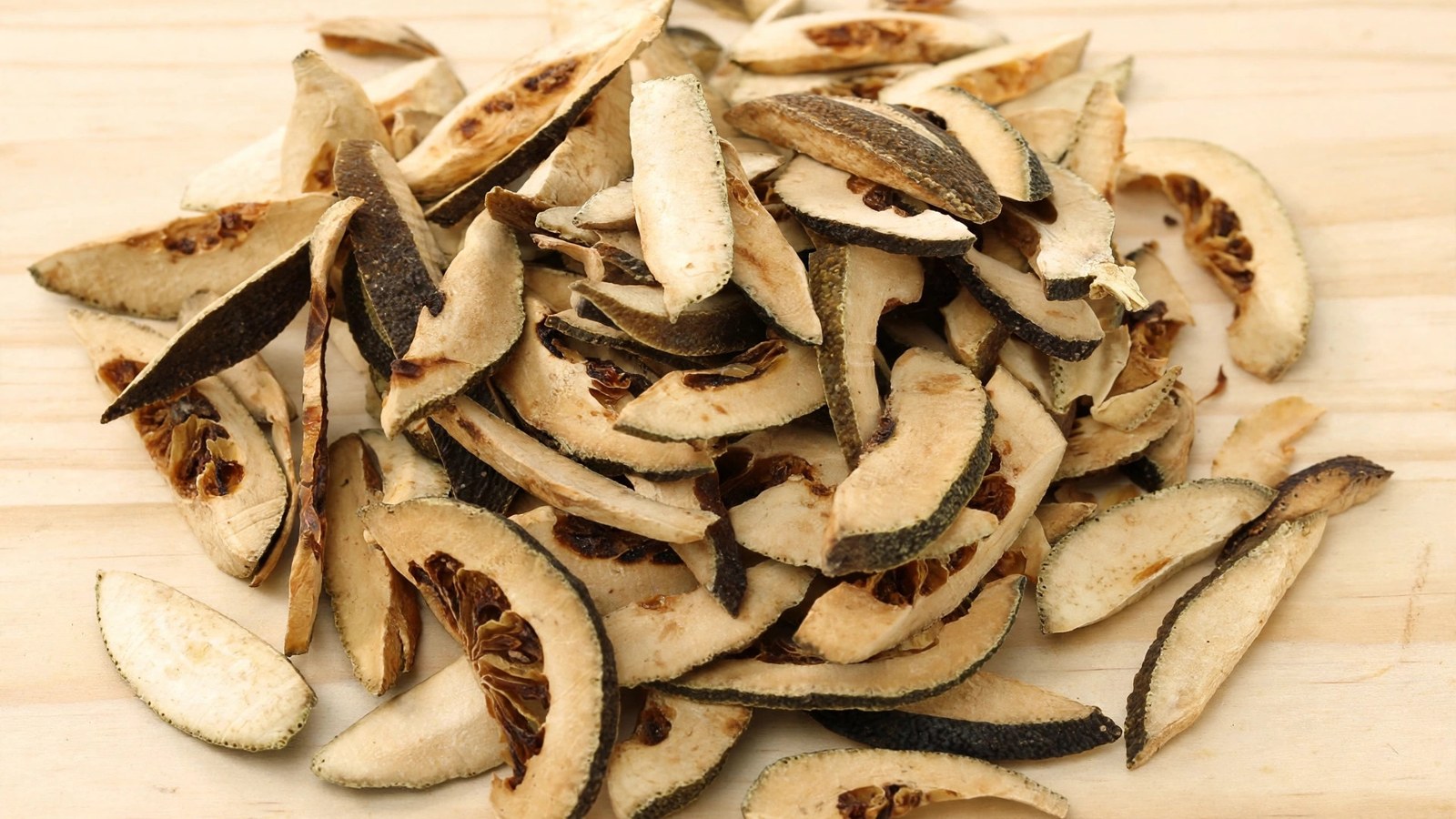
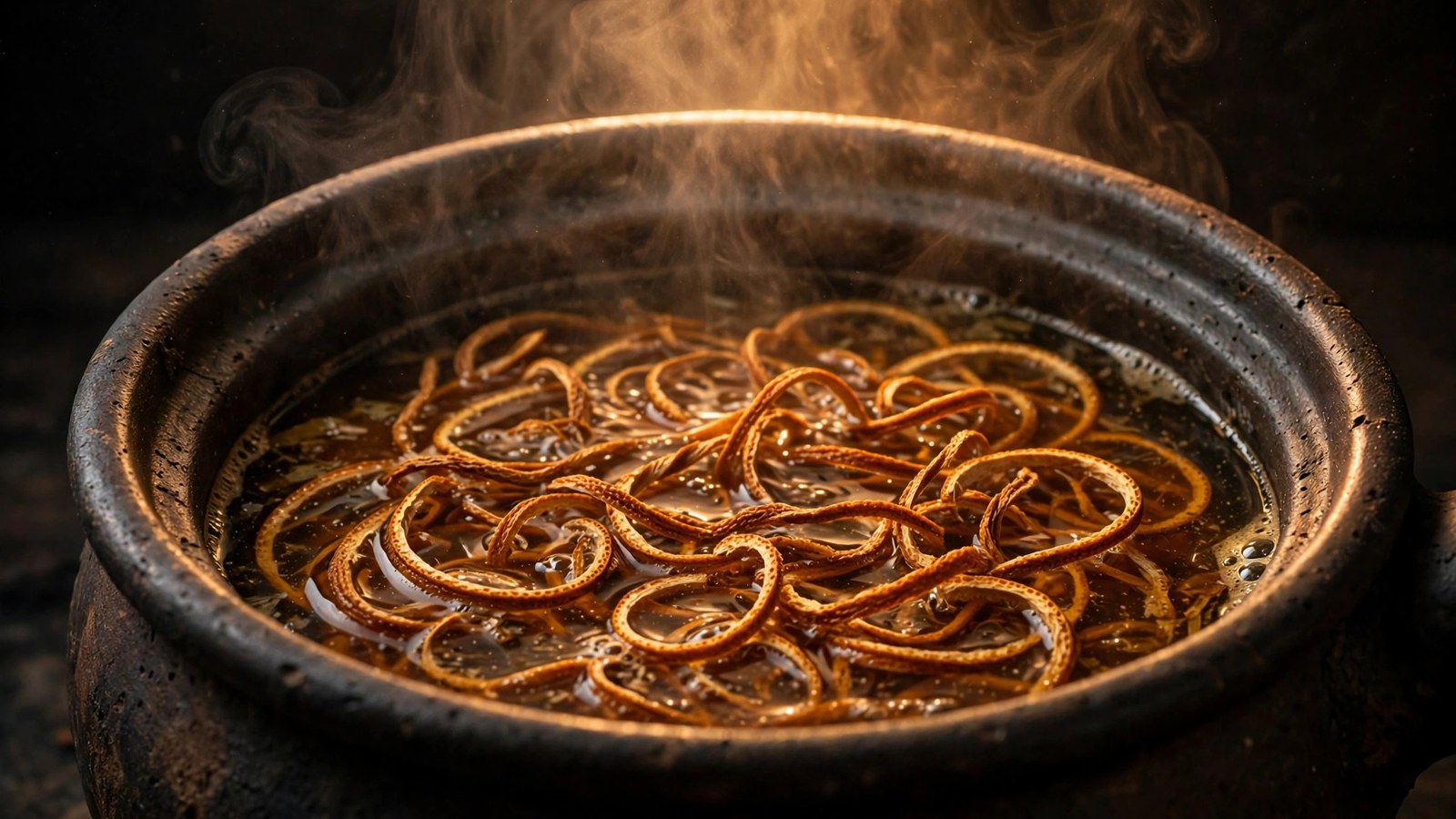
Latin Name: Linderae Radix
Botanical Name: Lindera aggregata (Sims) Kosterm.
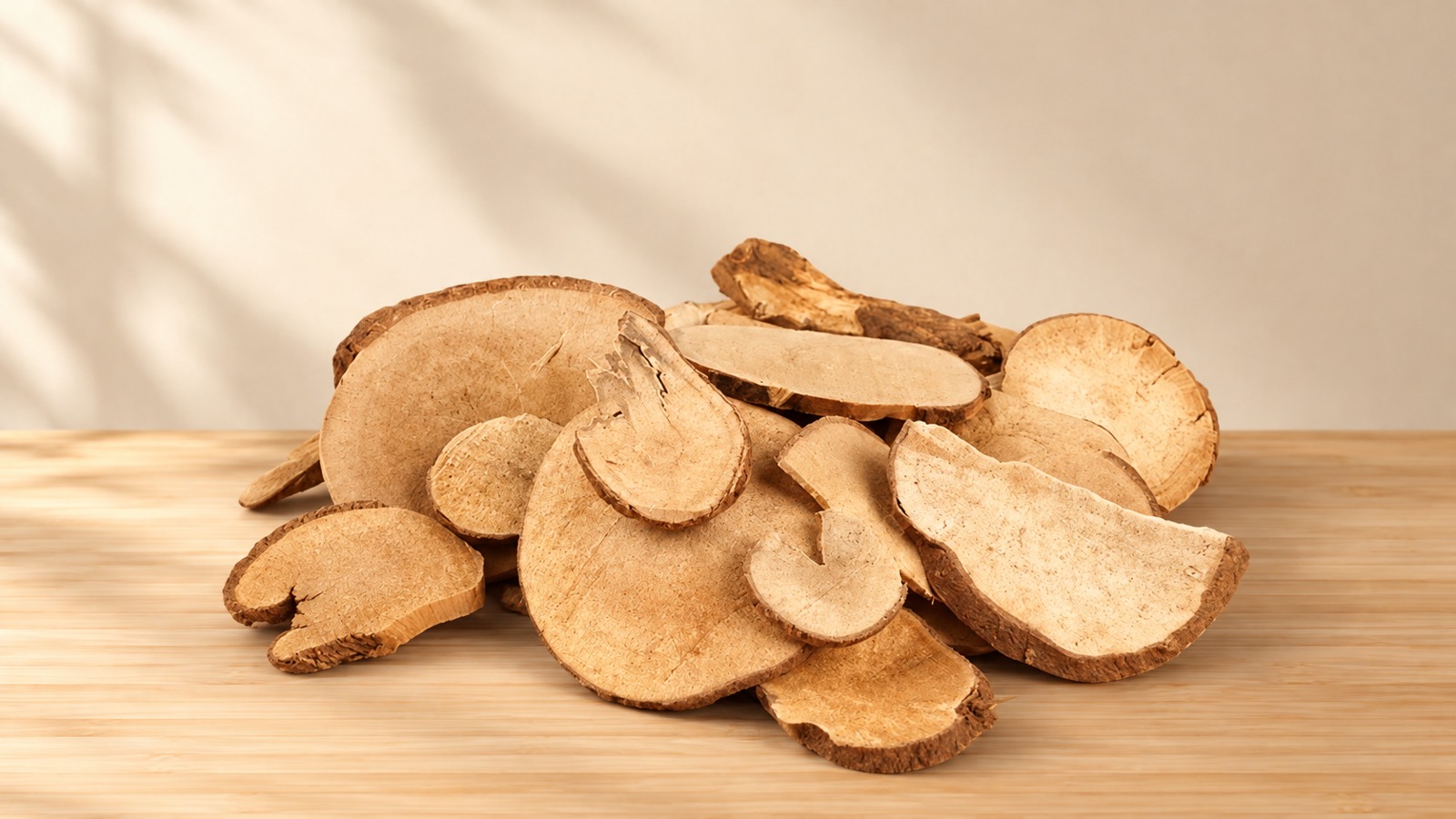
Form:Tuberous roots fusiform, yellowish-brown on the surface, hard in texture, yellowish-brown in cross-section, fragrant.
Traditional functions:Traditionally used to smooth qi and relieve pain, and warm the kidneys and dispel cold.
Zhejiang daodi origins:Tiantai, Xianju, Linhai, Pan’an, and others.
Provenance:Wuyao appears under the name pangqi in the Tang-dynasty Bencao Shiyi (Supplement to Materia Medica); the Bencao Gangmu (Compendium of Materia Medica) says “for Wuyao, that from Tiantai is best”, hence the name Tiantai Wuyao.
Classic formulas:Tiantai Wuyao San (Tiantai Lindera Powder).
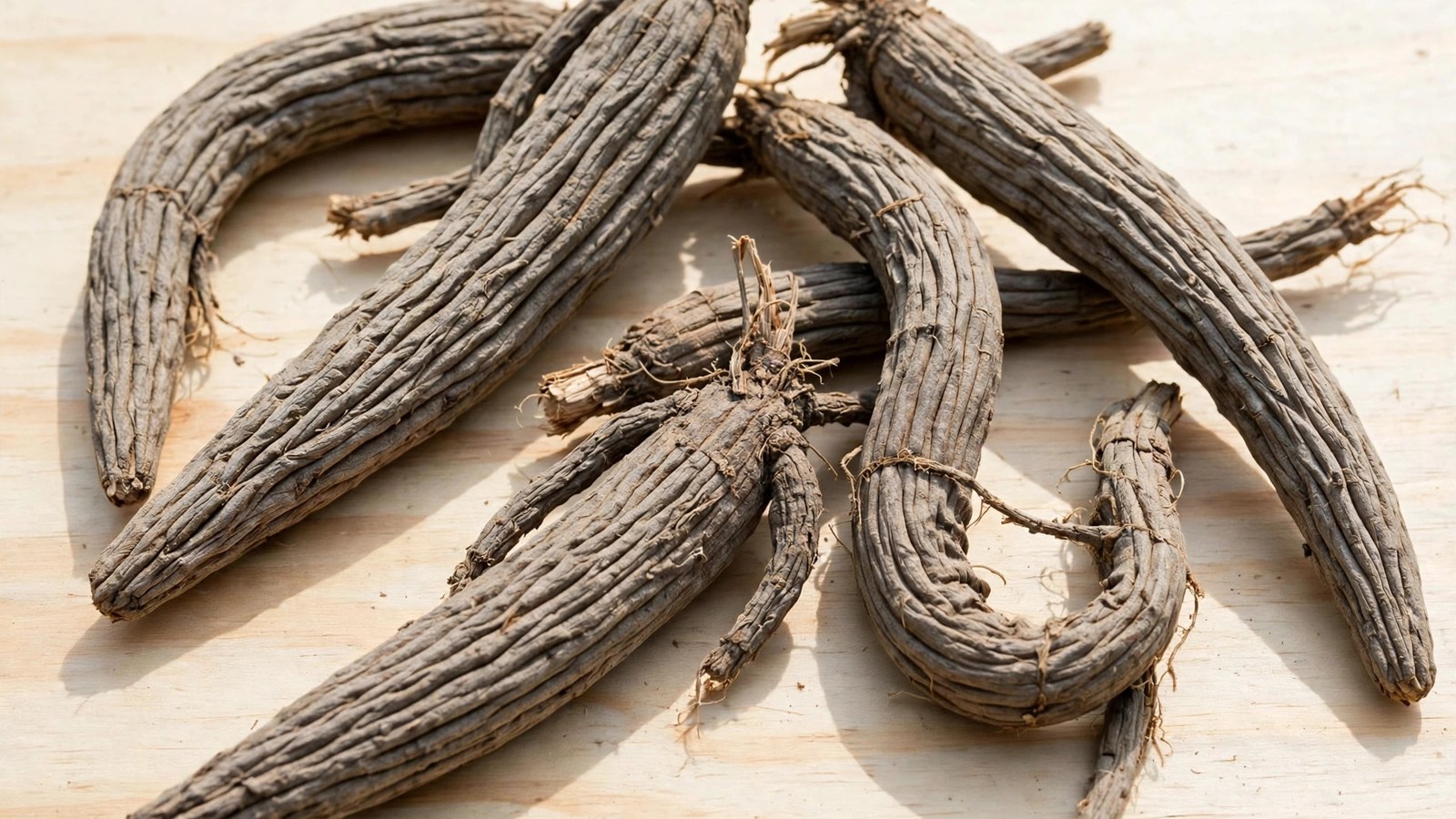
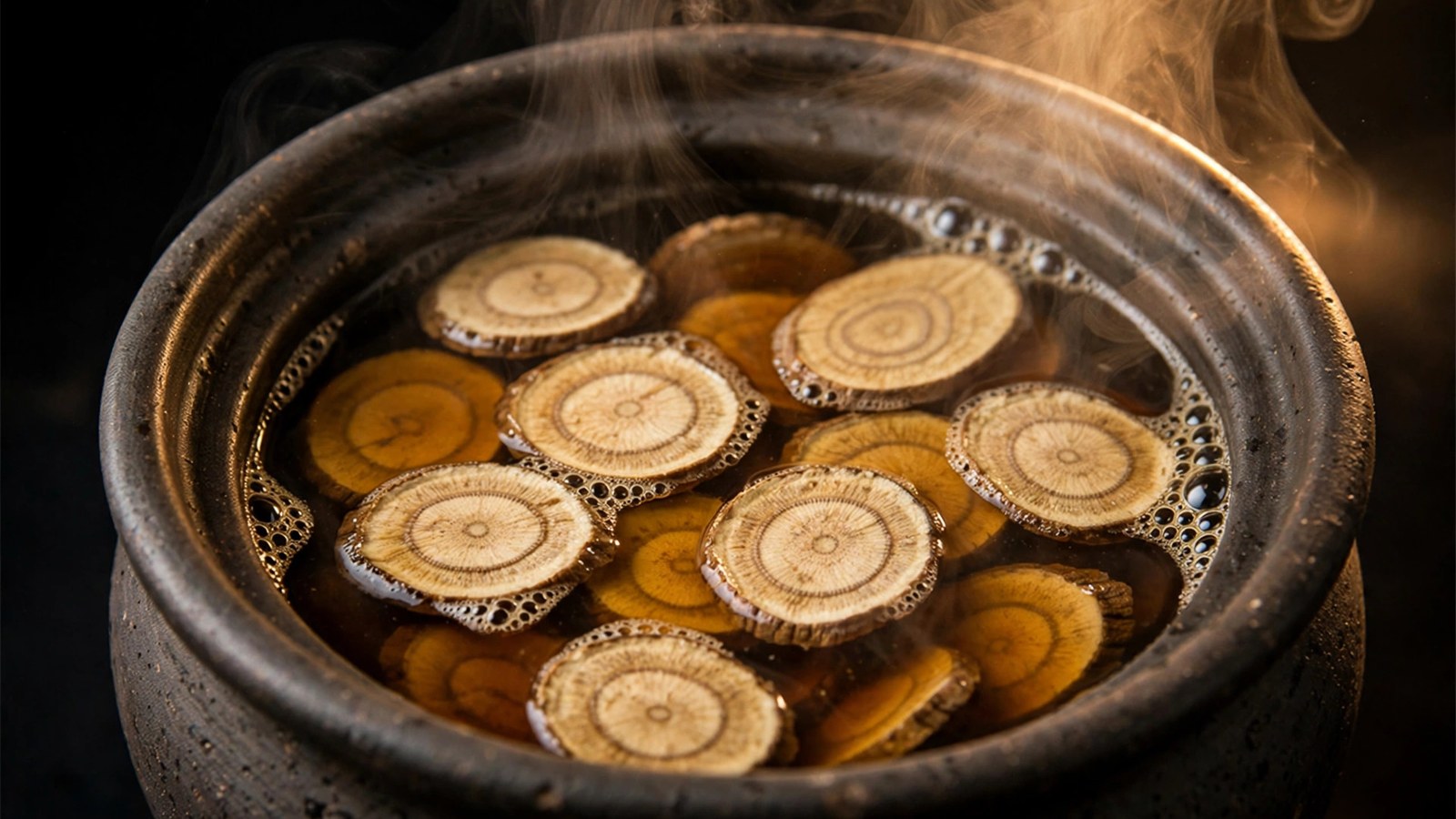
Botanical Name: Tetrastigma hemsleyanum Diels & Gilg
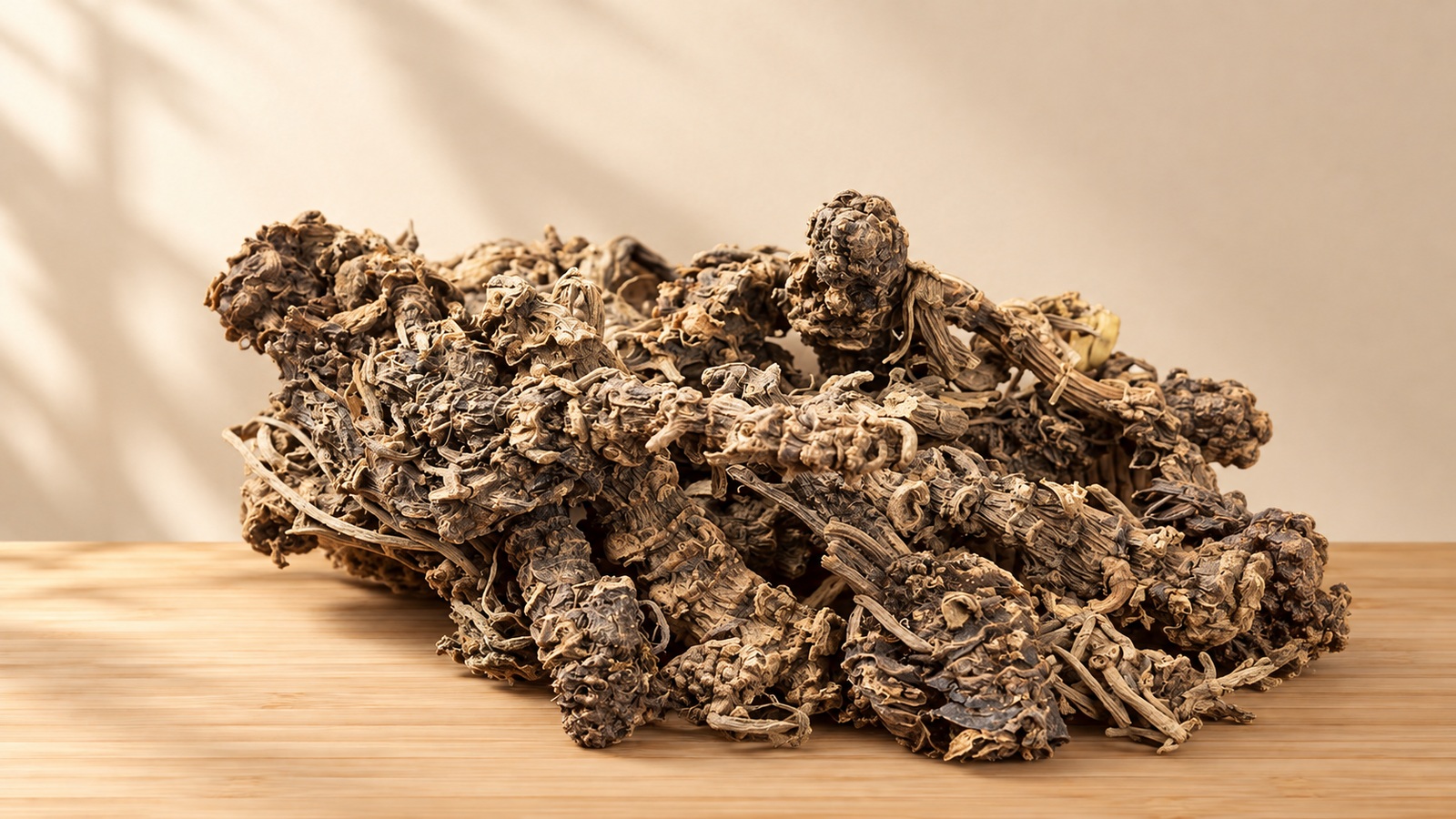
Form:Tuberous roots fusiform or ellipsoid, yellowish-brown on the surface, firm in texture, yellowish-white in cross-section.
Traditional functions:Traditionally used to clear heat and relieve toxicity, dispel wind and resolve phlegm, and move blood and relieve pain.
Zhejiang daodi origins:Ningbo, Taizhou, Wenzhou, Lishui, and others.
Provenance:The earliest medicinal record of Sanyeqing is in the Bencao Gangmu, where it is called sanye yapeng teng (three-leaf cliff-climbing vine); Zhejiang is one of its wild-distribution areas and daodi sources.
Also known as:Shefuzi, Jinxian Diao Hulu, Sixian Diao Jinzhong.
Traditional use:Mostly used as a single herb; the Fujian Minjian Caoyao (Fujian Folk Herbal Medicine) records it for treating carbuncles and boils on the back, applied externally in an appropriate amount, pounded and applied to the affected area; there is no classic formula with this herb as the principal ingredient.
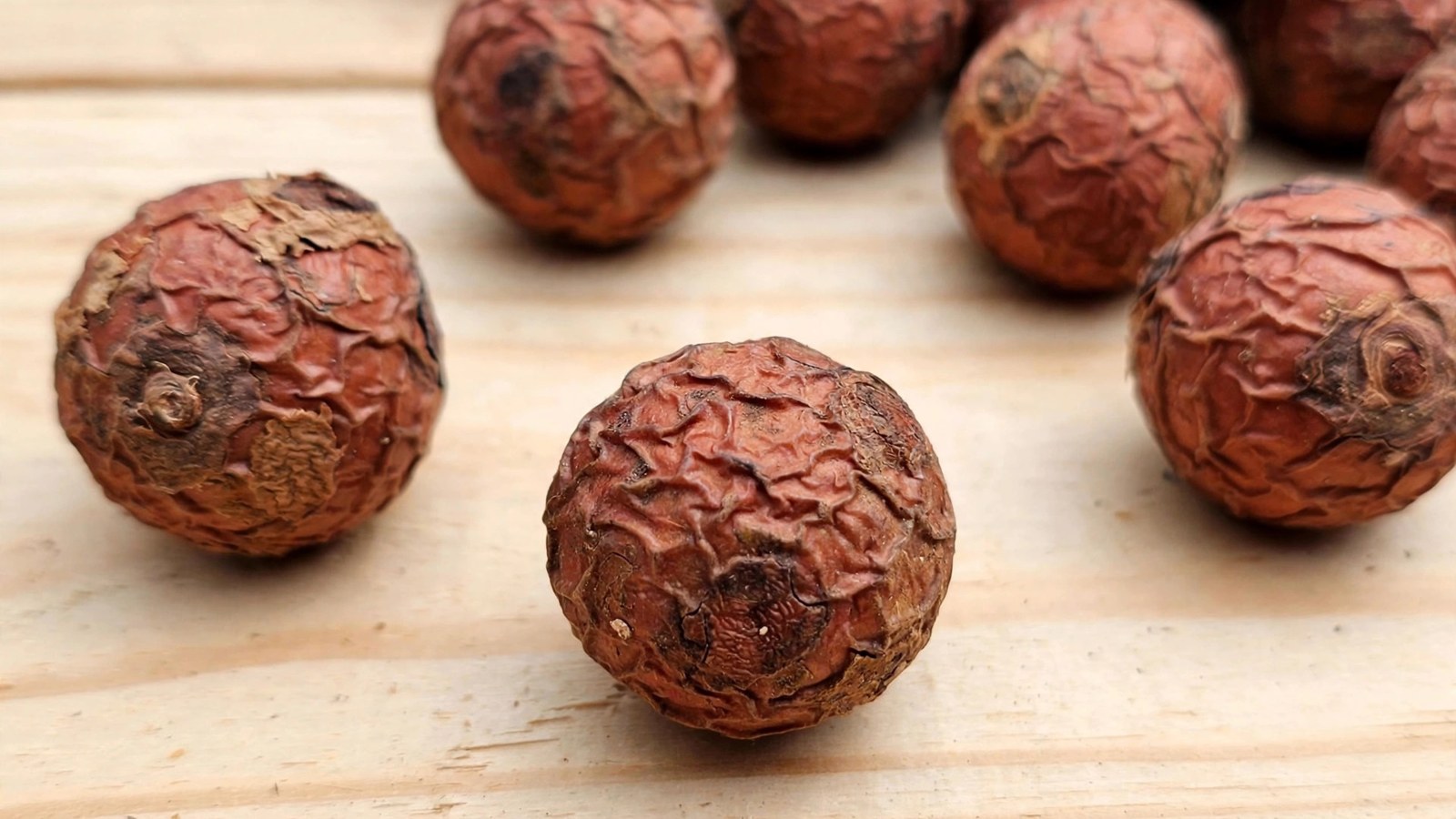
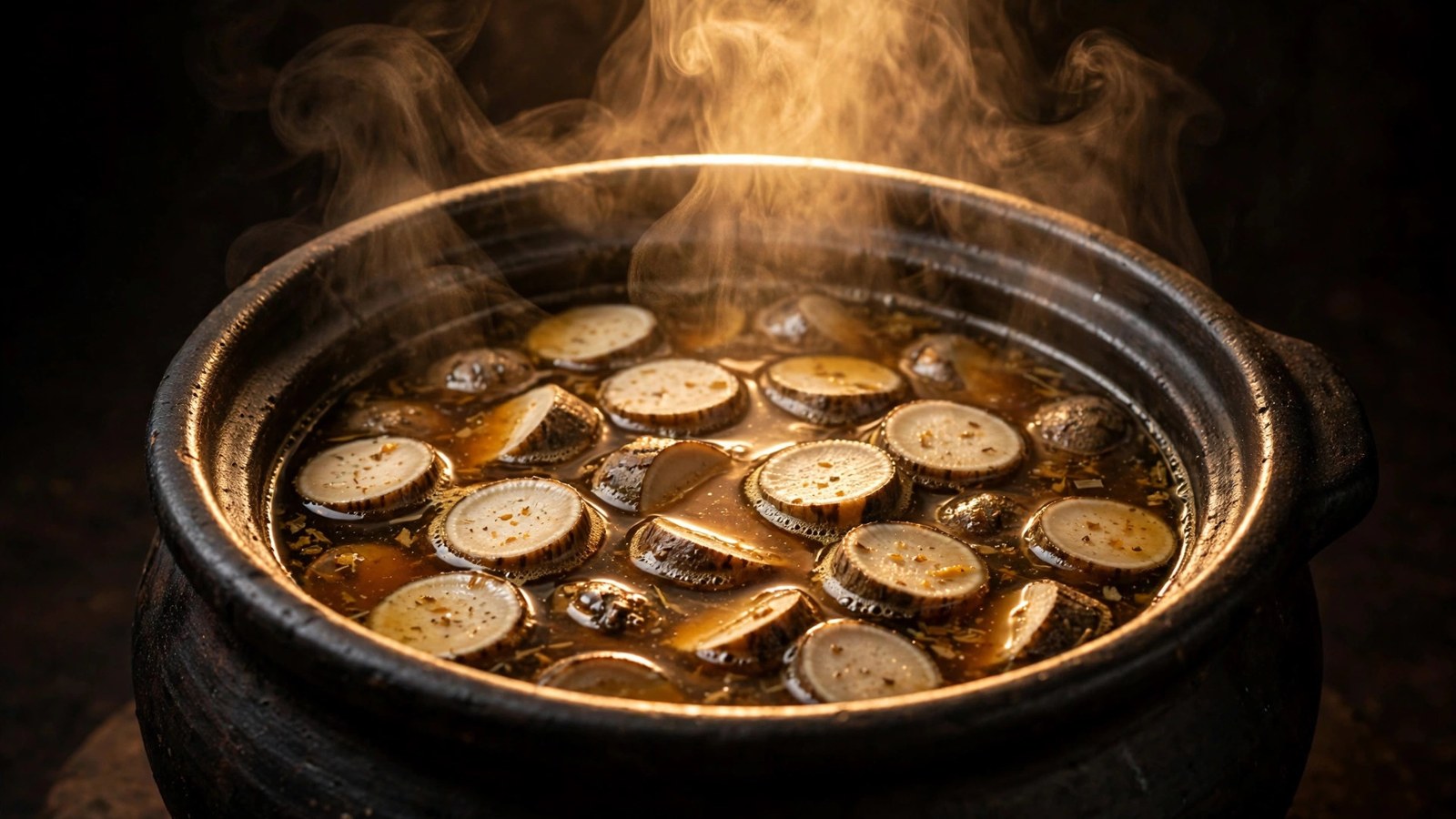
Latin Name: Rubi Fructus
Botanical Name: Rubus chingii Hu
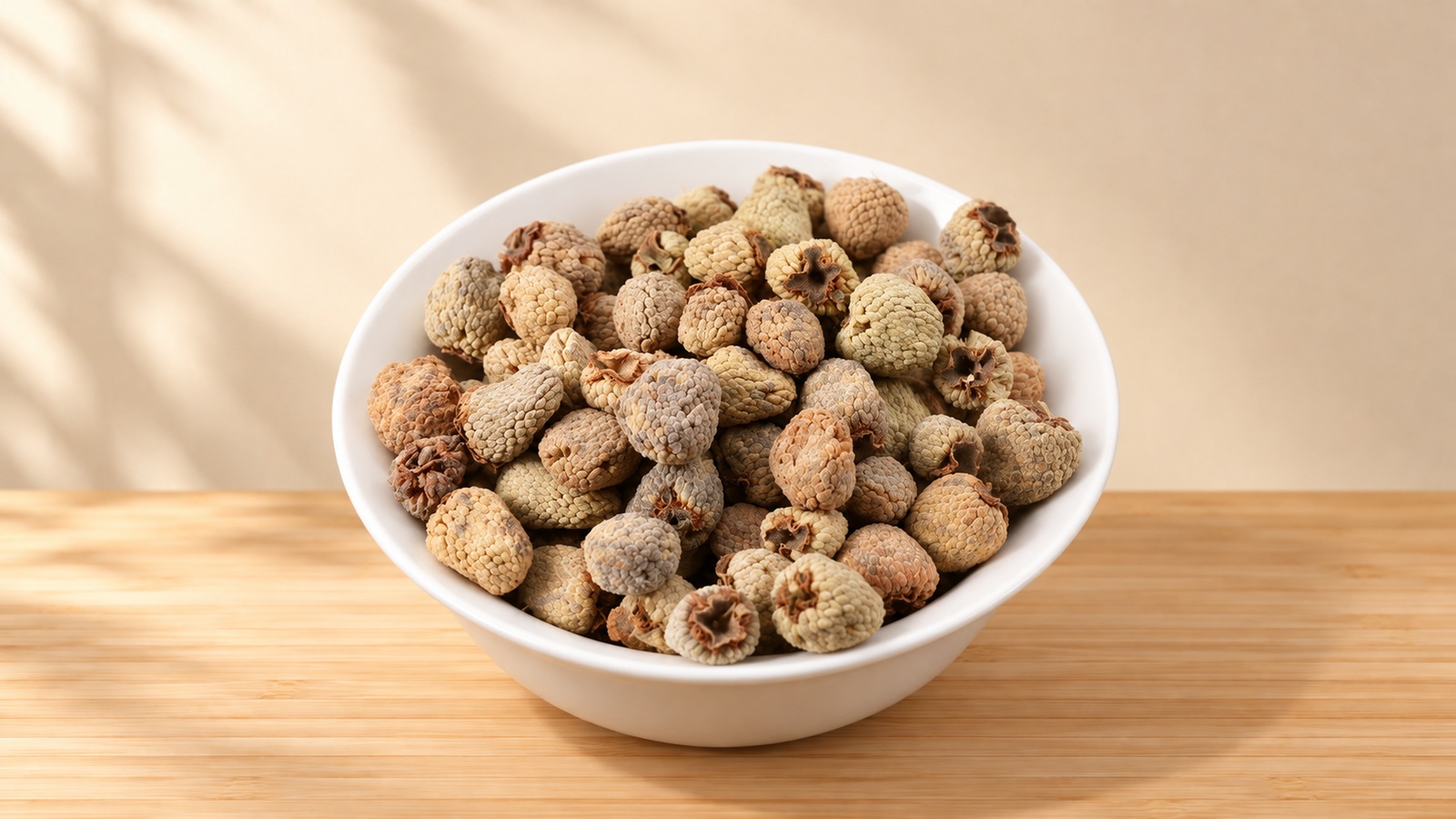
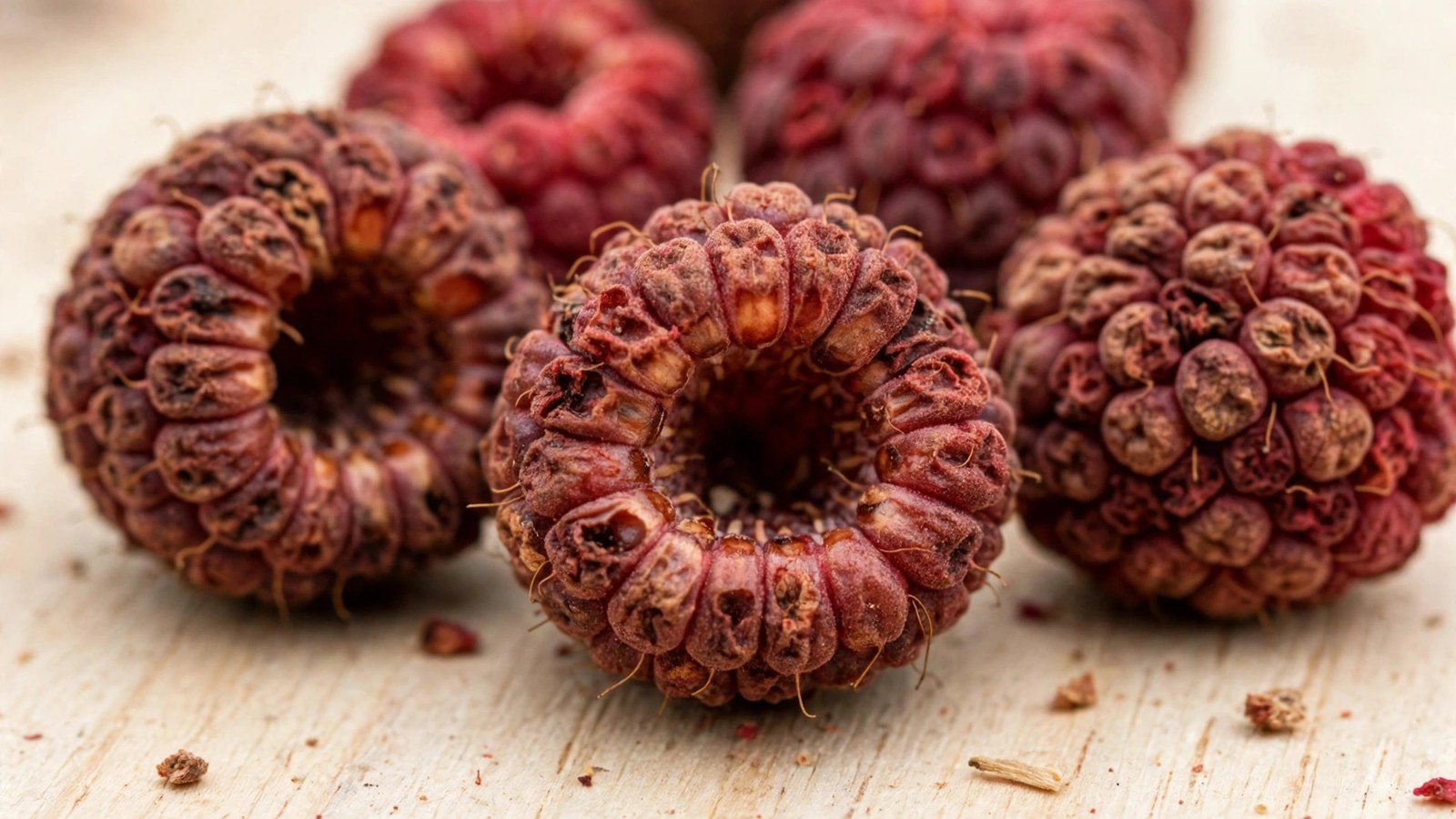
Form:Aggregate fruits nearly globose, yellowish-green or pale brown on the surface, densely covered with short soft hairs, with small drupelets closely arranged.
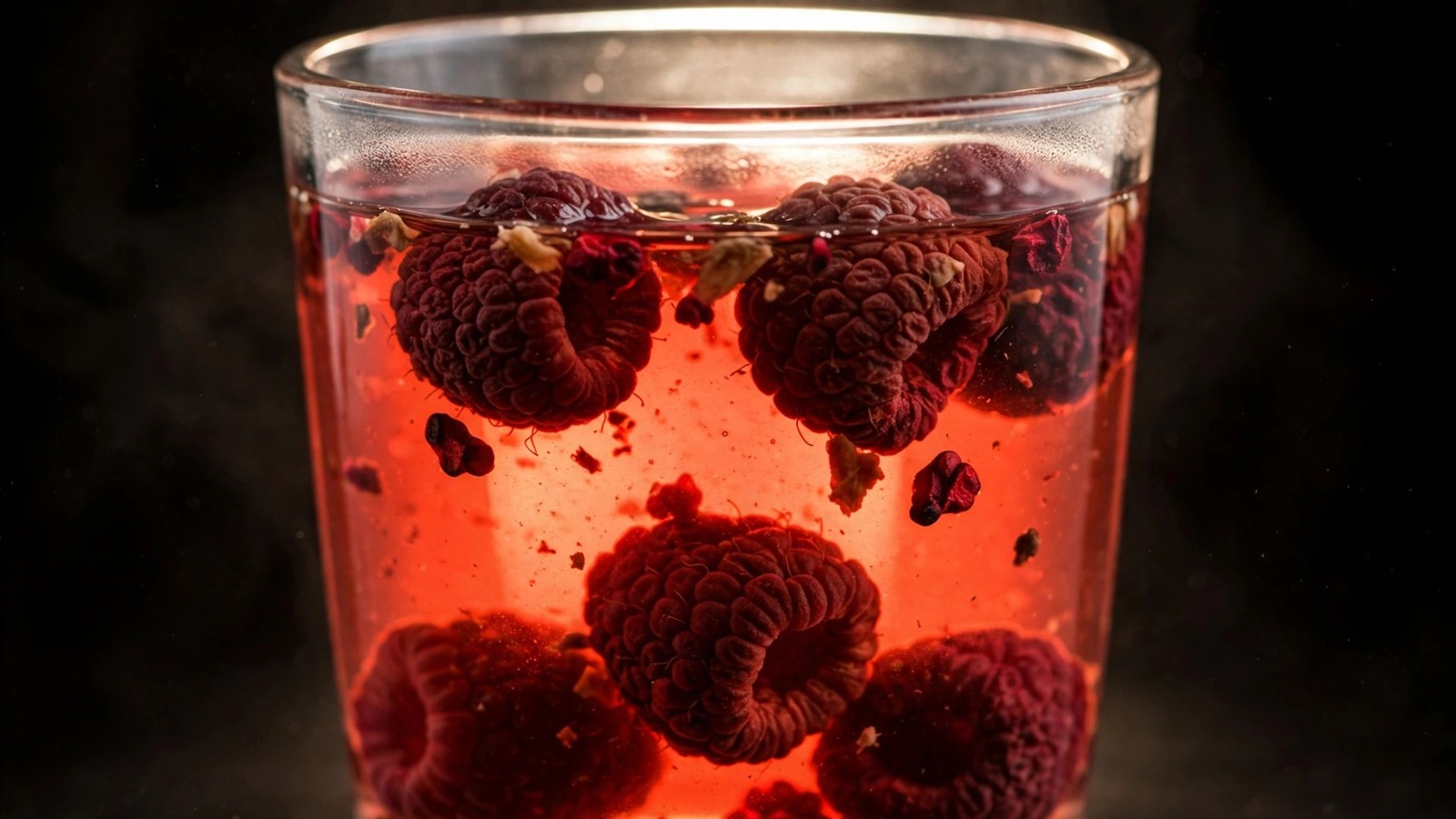
Traditional functions:Traditionally used to benefit the kidneys and secure essence, reduce urination, and improve vision.
Zhejiang daodi origins:Pan’an, Chun’an, Lin’an, Dongyang, and others.
Provenance:The characters fupen first appear under the penghao entry in the Shennong Bencao Jing; the Mingyi Bielu (Supplementary Records of Famous Physicians) lists Fupenzi separately; Chun’an in Zhejiang is one of its chief production areas.
Classic formulas:Wuzi Yanzong Wan (Five-Seed Progeny Pill).
Latin Name: Peucedani Radix
Botanical Name: Peucedanum praeruptorum Dunn
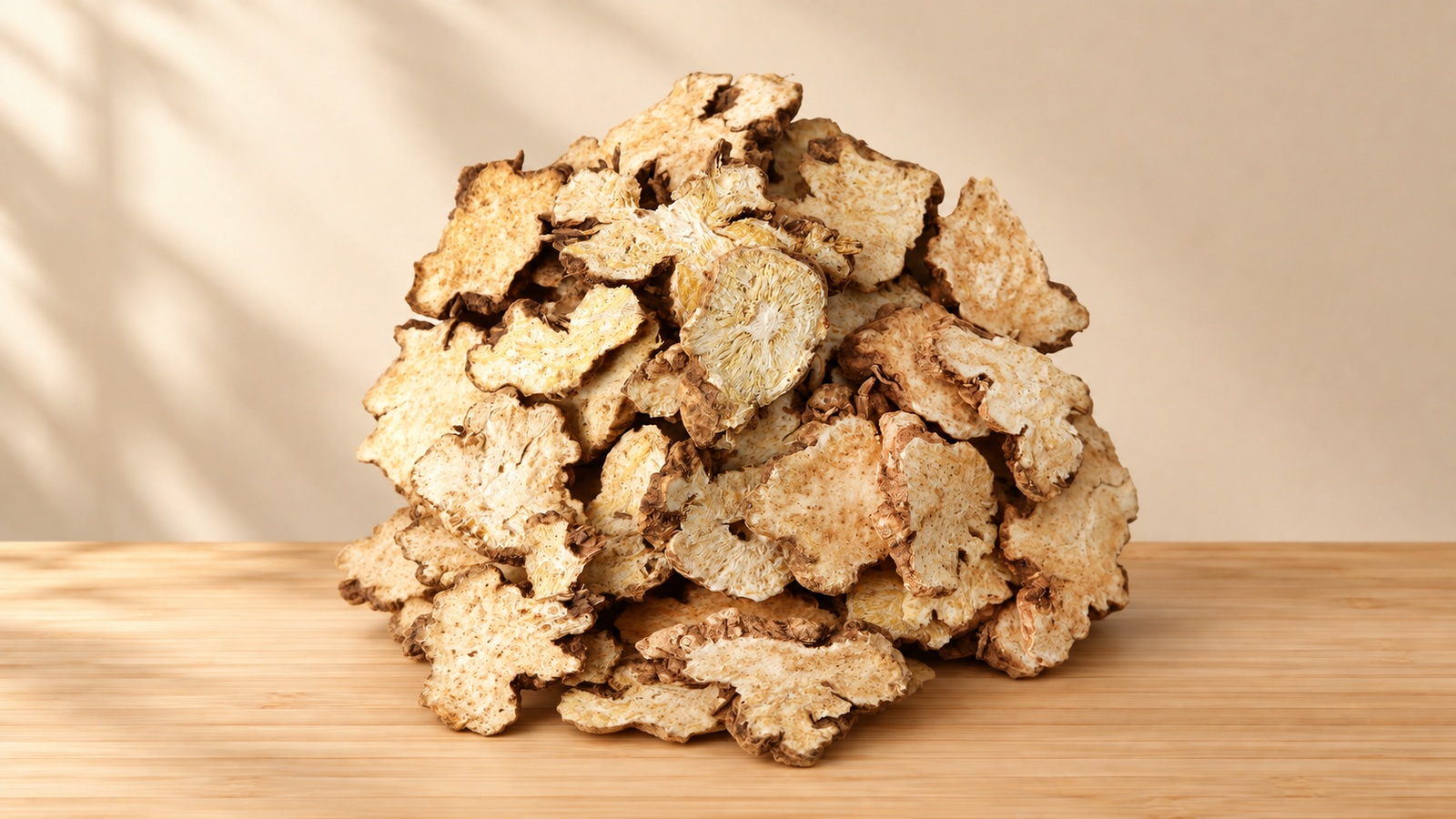
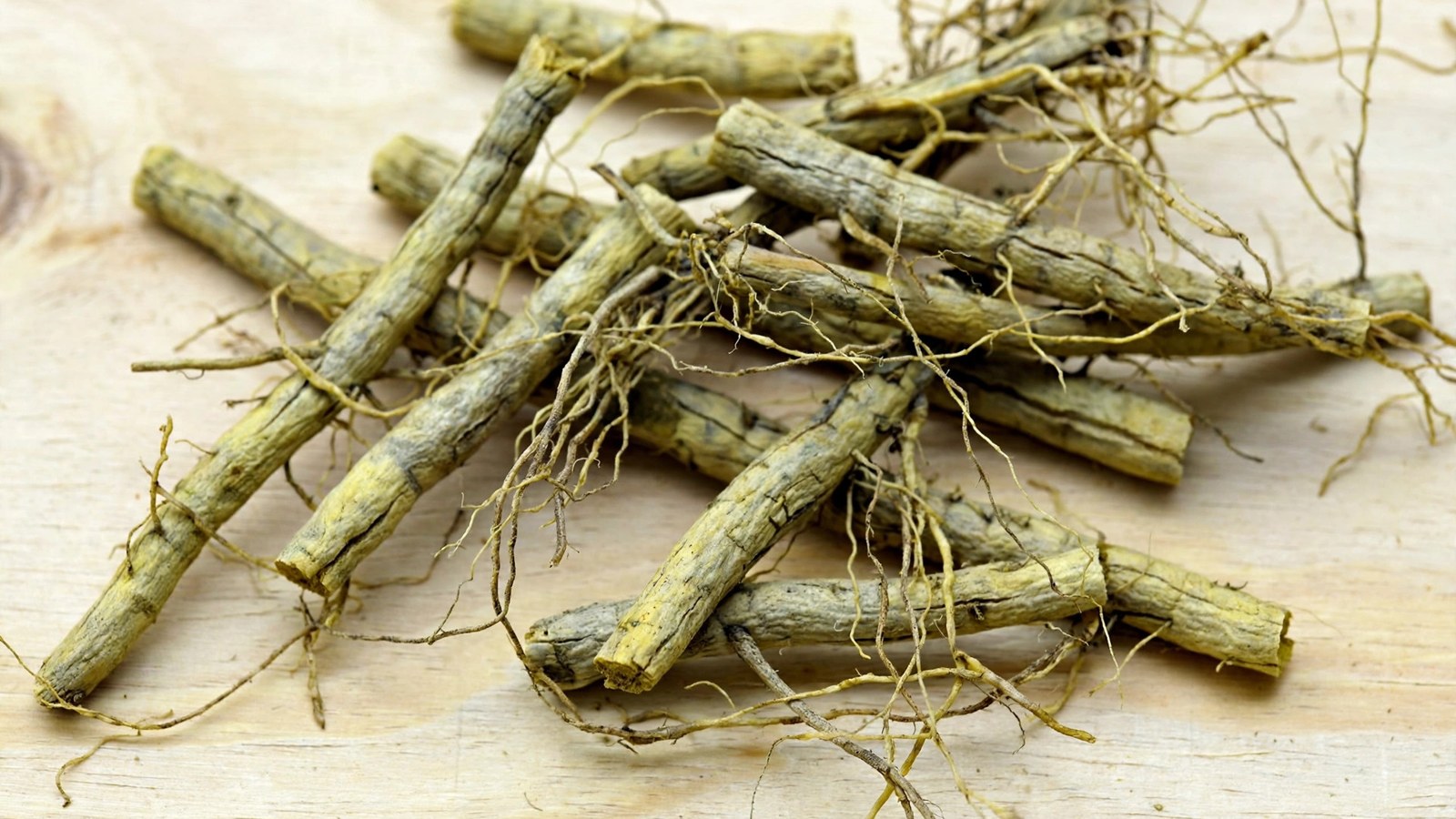
Form:Roots irregularly cylindrical, greyish-brown on the surface, relatively soft in texture, yellowish-white in cross-section.
Traditional functions:Traditionally used to direct qi downward and resolve phlegm, and dispel wind and clear heat.
Zhejiang daodi origins:Chun’an, Lin’an, Xinchang, and others.
Provenance:Qianhu appears in the Liang-dynasty Mingyi Bielu; it is chiefly produced in Zhejiang, Anhui, and elsewhere.
Classic formulas:Xingsu San (Apricot Kernel and Perilla Powder).
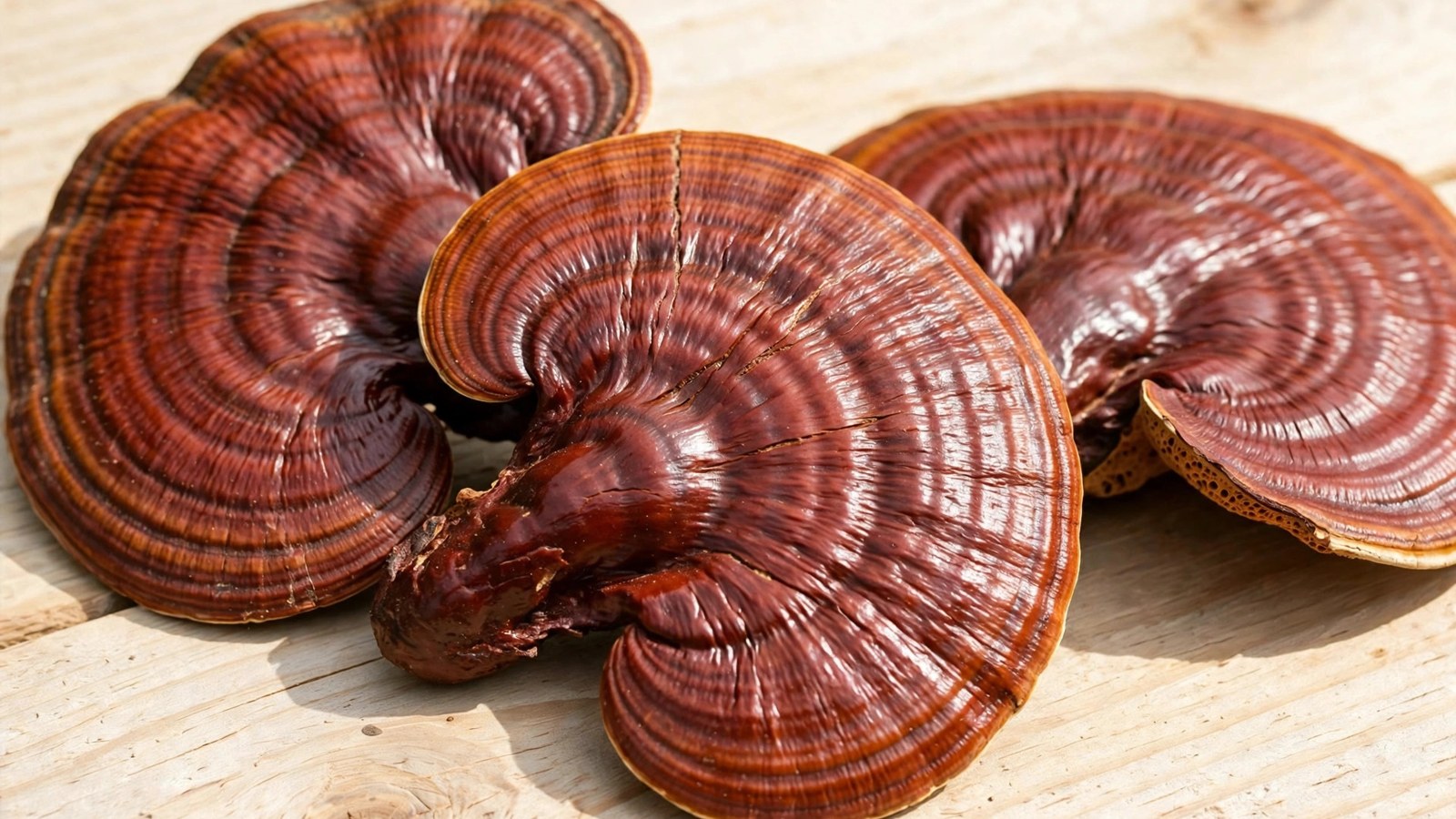
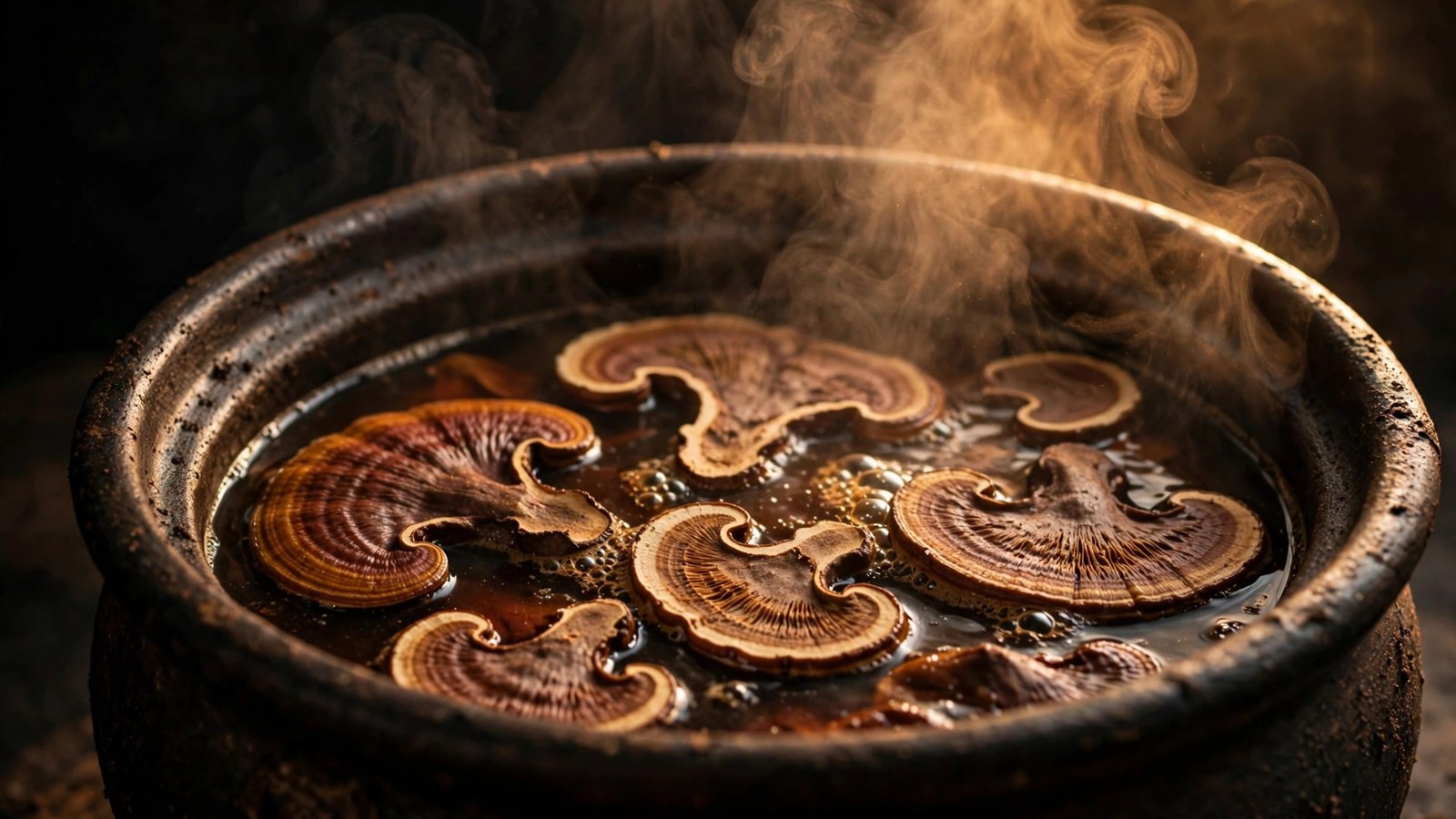
Latin Name: Ganoderma
Botanical Name: Ganoderma lucidum (Leyss. ex Fr.) P.Karst.
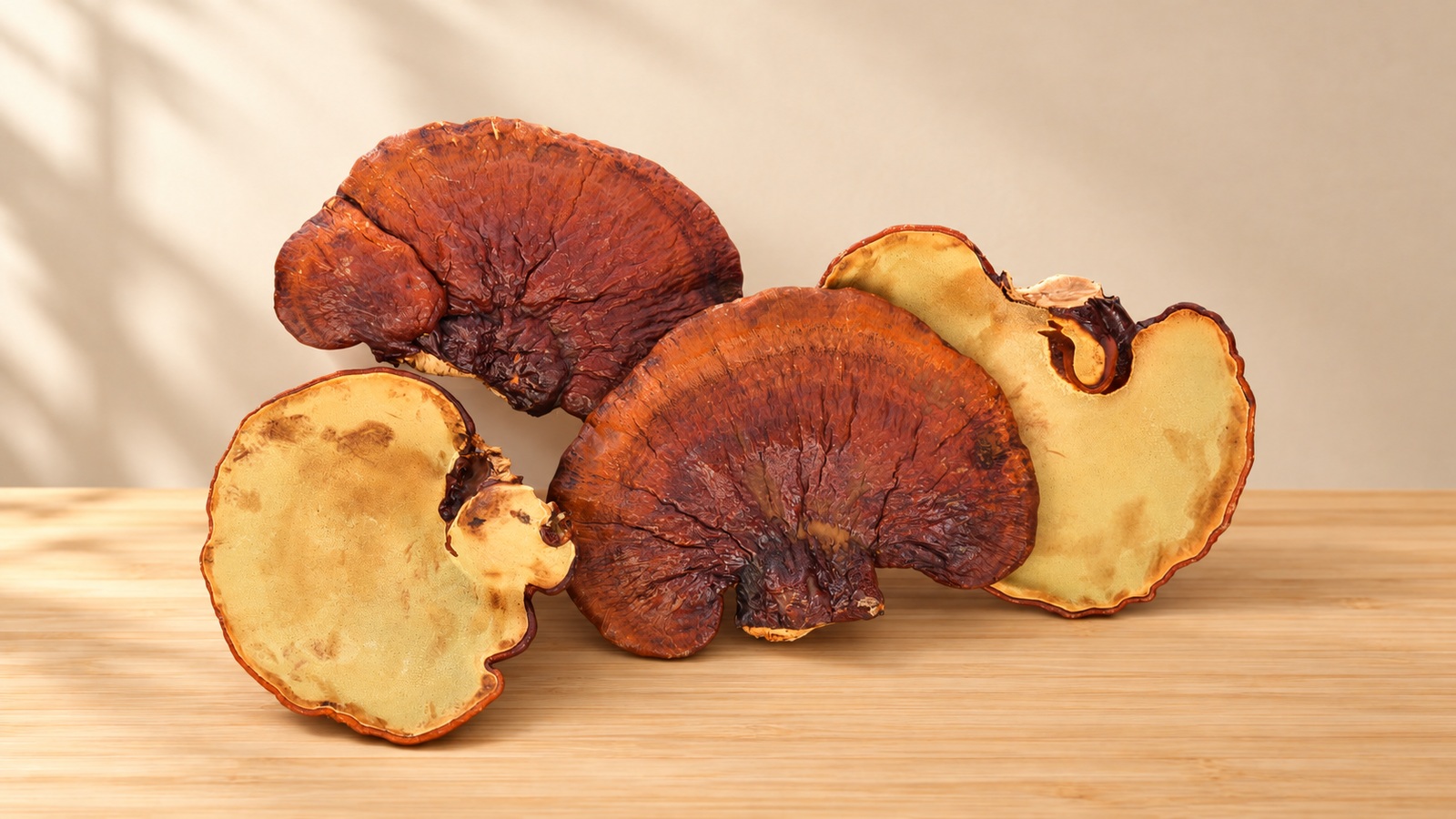
Form:Caps kidney-shaped, reddish-brown and lustrous on the surface, with pale yellow flesh, hard in texture.
Traditional functions:Traditionally used to supplement qi and calm the spirit, and relieve cough and calm panting.
Zhejiang daodi origins:Longquan, Qingyuan, Jingning, Wuyi, Jinyun, and others.
Provenance:Lingzhi appears earliest in the Shennong Bencao Jing, listed as a top-grade herb; the Longquan county gazetteer of the third year of Jianyan in the Southern Song records lingzhi production in Longquan.
Classic formulas:Zizhi Wan (Purple Ganoderma Pill) (Shengji Zonglu).
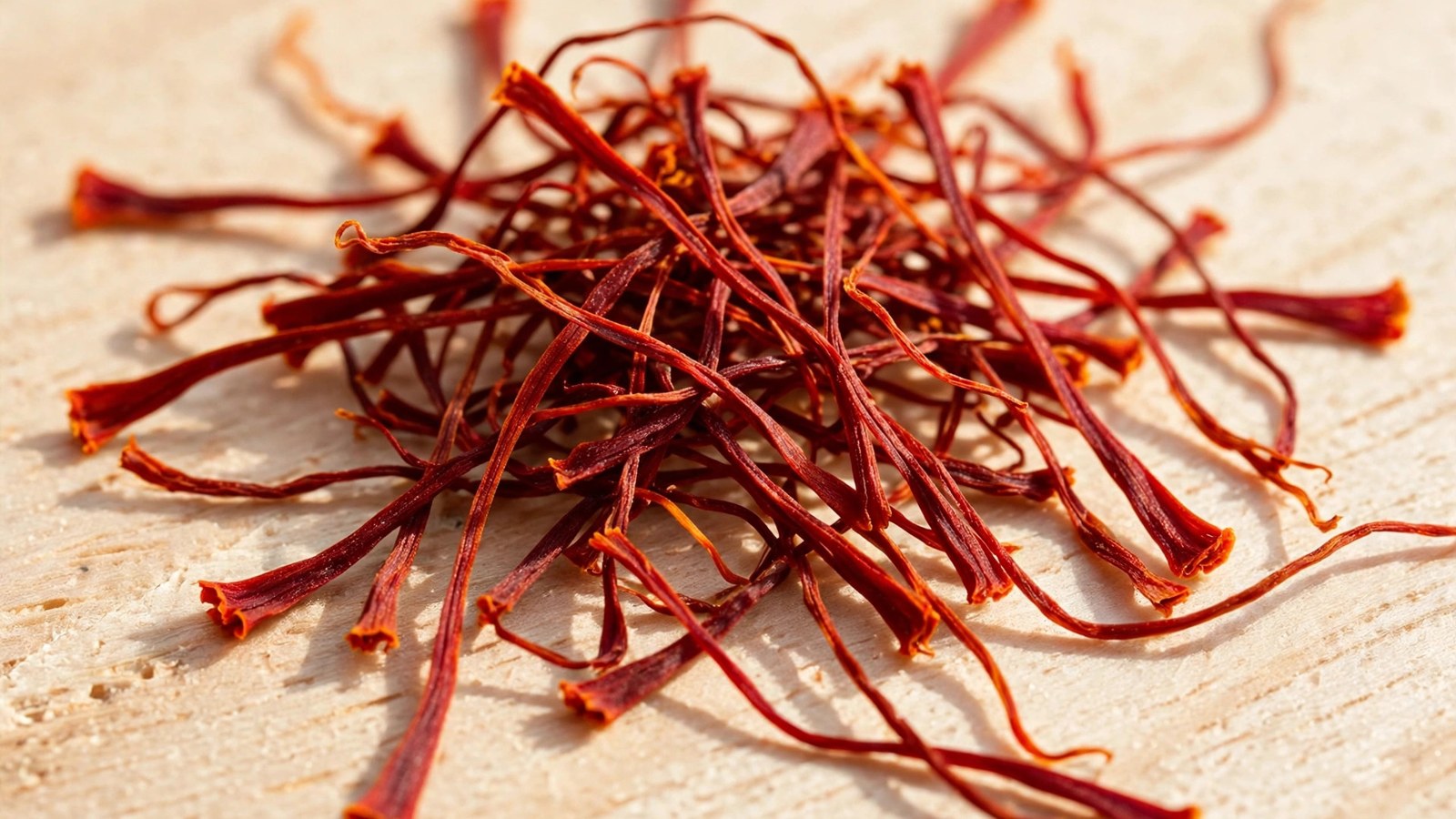
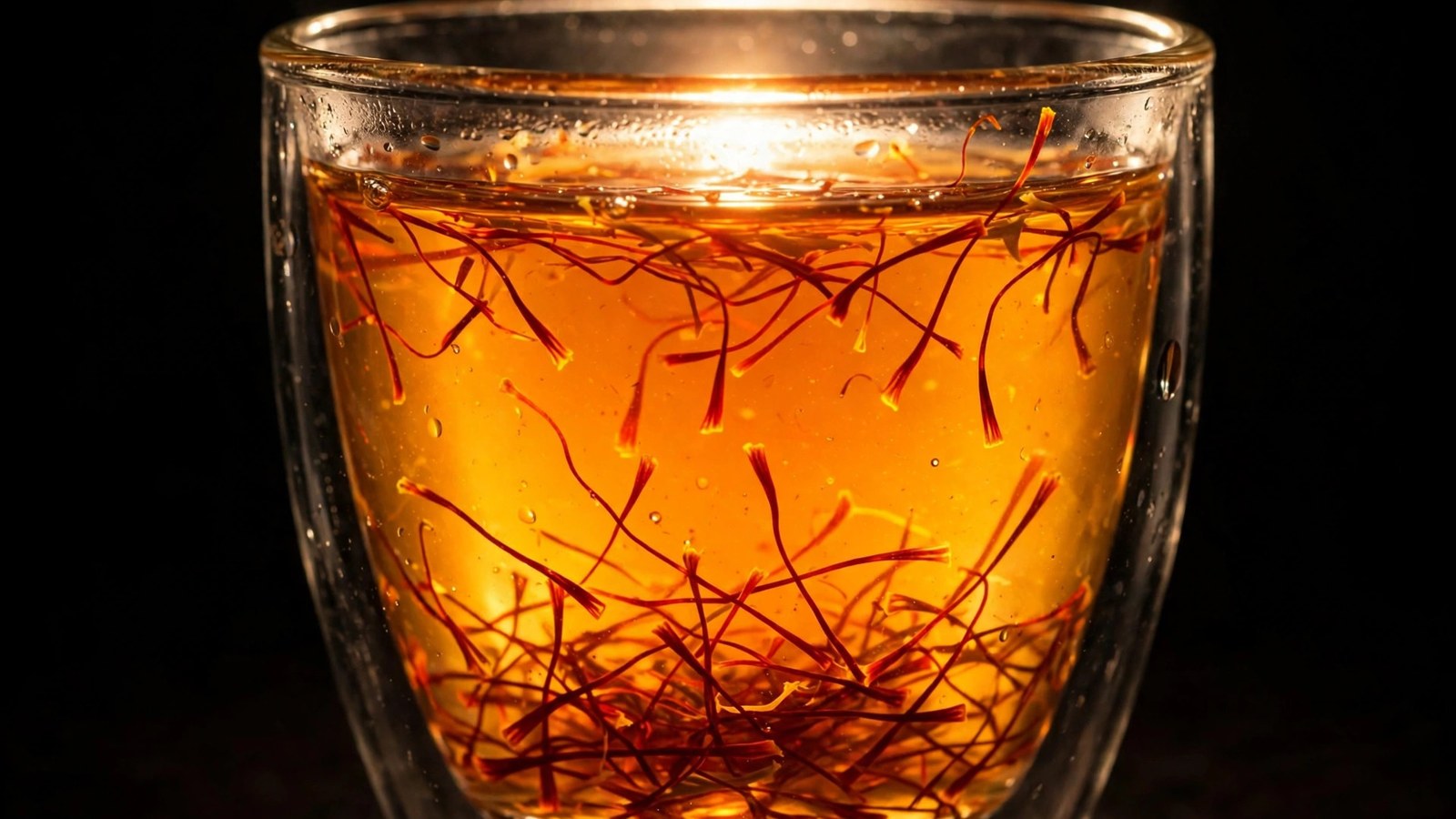
Latin Name: Croci Stigma
Botanical Name: Crocus sativus L.
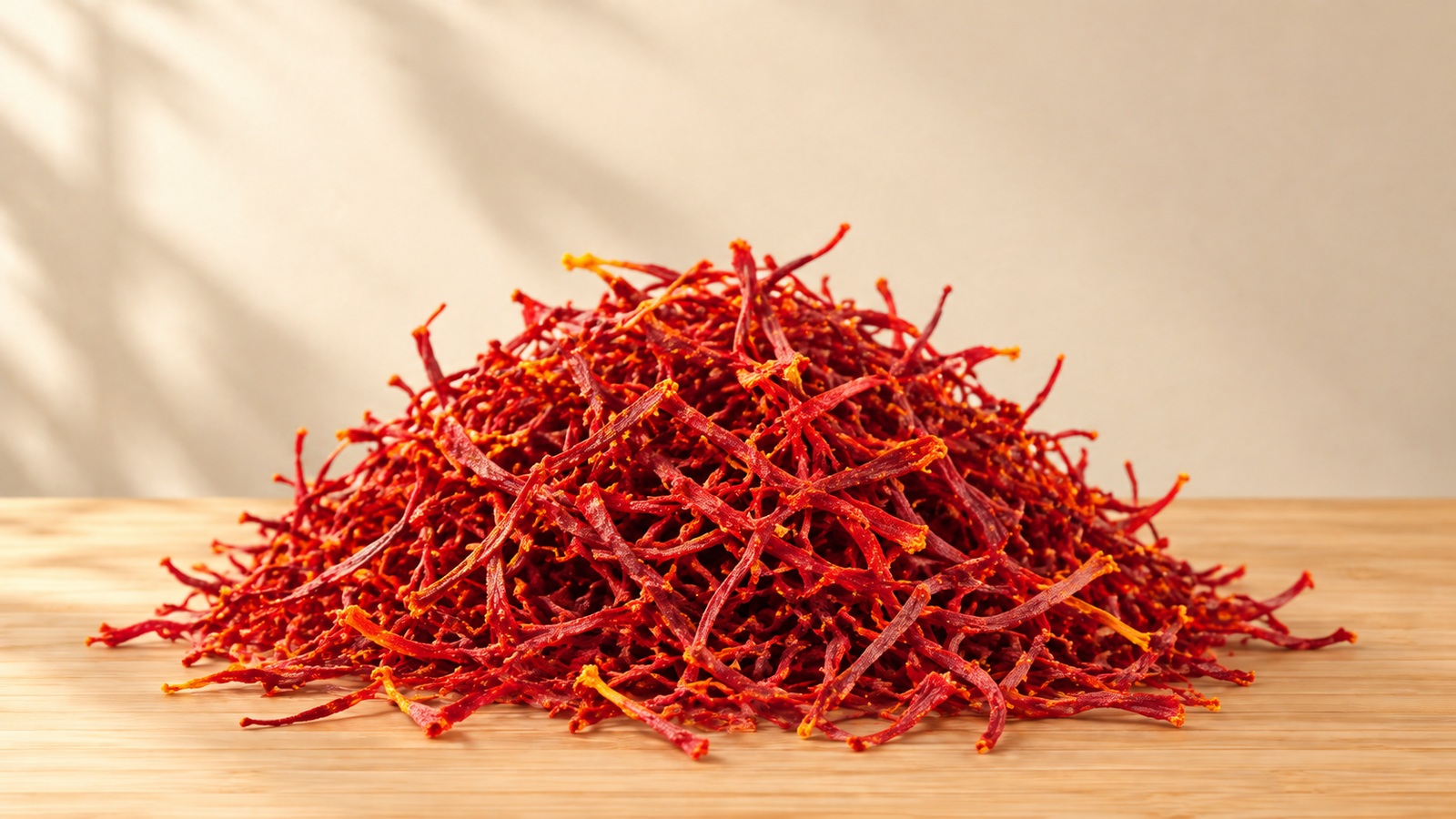
Form:Stigmas thread-like, three-branched, dark red, with a distinctive aroma and slightly bitter taste.
Traditional functions:Traditionally used to move blood and resolve stasis, cool blood and relieve toxicity, and relieve constraint and calm the spirit.
Zhejiang daodi origins:Jiande, Hangzhou, Jiaxing, and others.
Provenance:The name fanhonghua first appears in the Ming-dynasty Bencao Pinhui Jingyao; the Bencao Gangmu also writes it as fanhonghua and records it as coming from the Xifan Huihui lands and Tianfang; in recent years Zhejiang has also had small-scale introduced cultivation.
Also known as:Fanhonghua, Zanghonghua.
Traditional use:There is no classic formula with Xihonghua as the principal ingredient in the original prescription; in clinical practice it is mostly used in place of Honghua (safflower) in blood-moving formulas, or used as a single herb.
Each of the sixteen Zhejiang varieties is packed separately, then shipped in a single carton with a variety checklist label, with specifications and quantities confirmed by variety at inquiry.
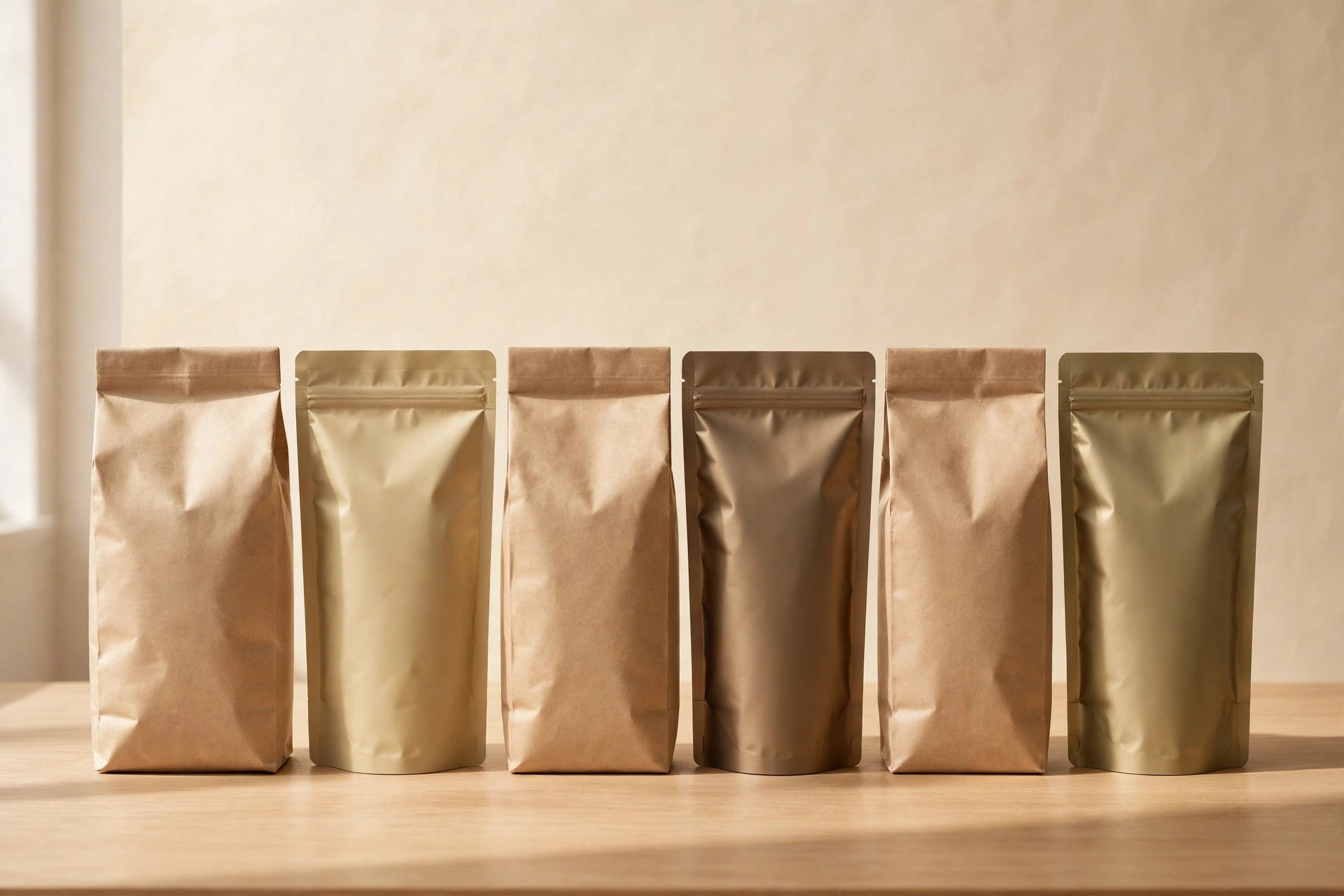
Sealed bags, moisture- and pest-resistant, suited to small mixed orders by variety.

Corrugated cartons with variety and specification labels, suited to whole-order shipment.
Exact specifications are confirmed at inquiry.
Start with a specific variety, then work through goods and delivery arrangements.
Inquire